Trailer tracking system
Real-time visibility into the location and use of every trailer.
Trailer tracking system via Flowter, the platform from GPS-Buddy
Trailers that become scattered or stand idle unnecessarily cause inefficiency and higher costs. GPS-Buddy's trailer tracking system tracks every trailer in real time: where a trailer is located, and how it is being used. In addition, values such as axle load, weight, odometer reading and tyre pressure are available. Truck and trailer are automatically linked in Flowter, so it's always clear which combination drove which trip.
What the trailer tracking system delivers
Less searching, less standstill
The location and use of every trailer are visible directly, without asking around or searching. This also makes it visible where trailers are standing idle unnecessarily.
Always clear which combination drove which trip
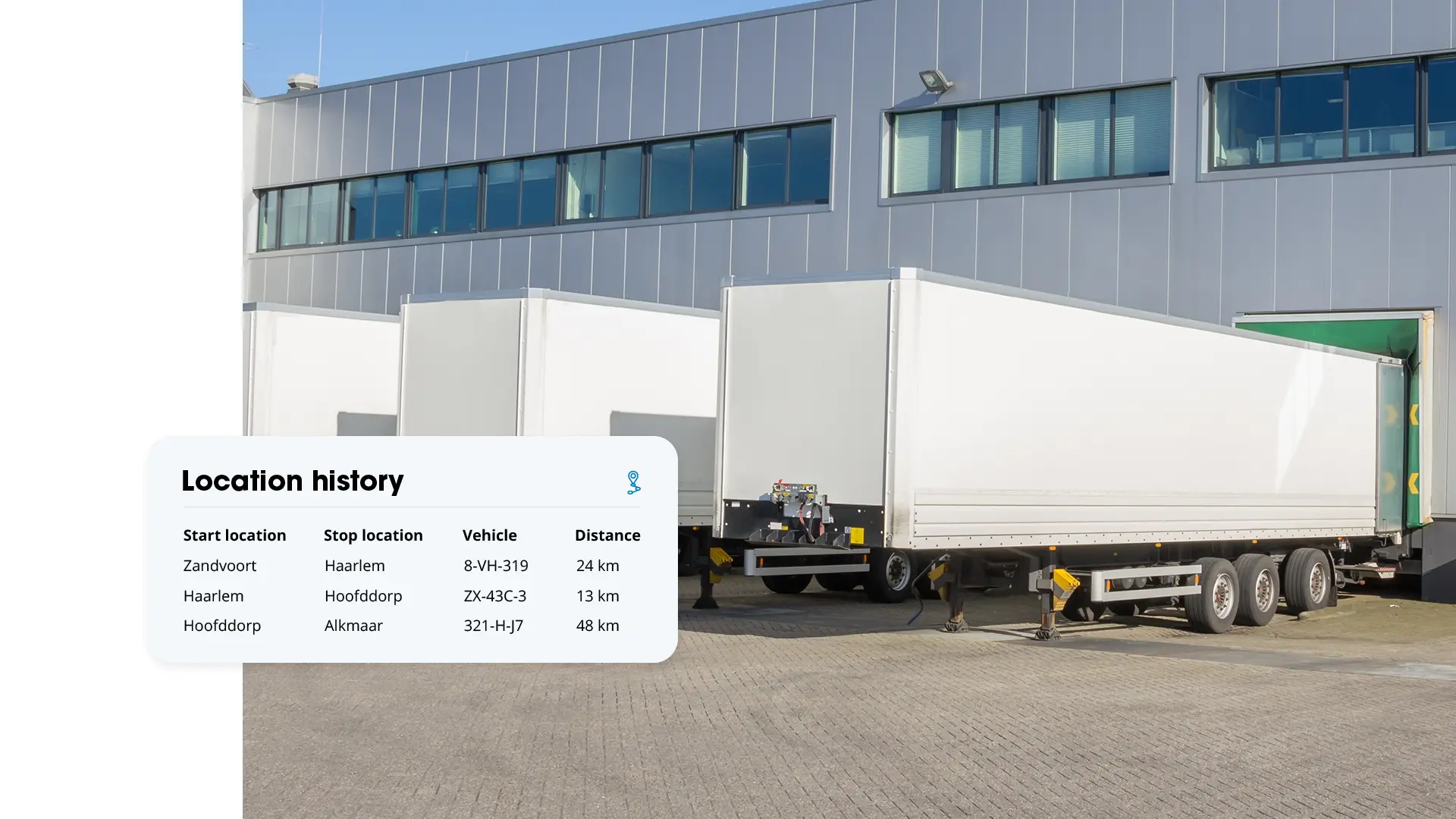
Truck and trailer are automatically linked, each retaining its own ID.
More insight through trailer data
Values such as axle load, weight and tyre pressure give planners and technicians extra grip on the technical condition of every trailer.
2,000+ market leaders trust our technology


Real-time location and status
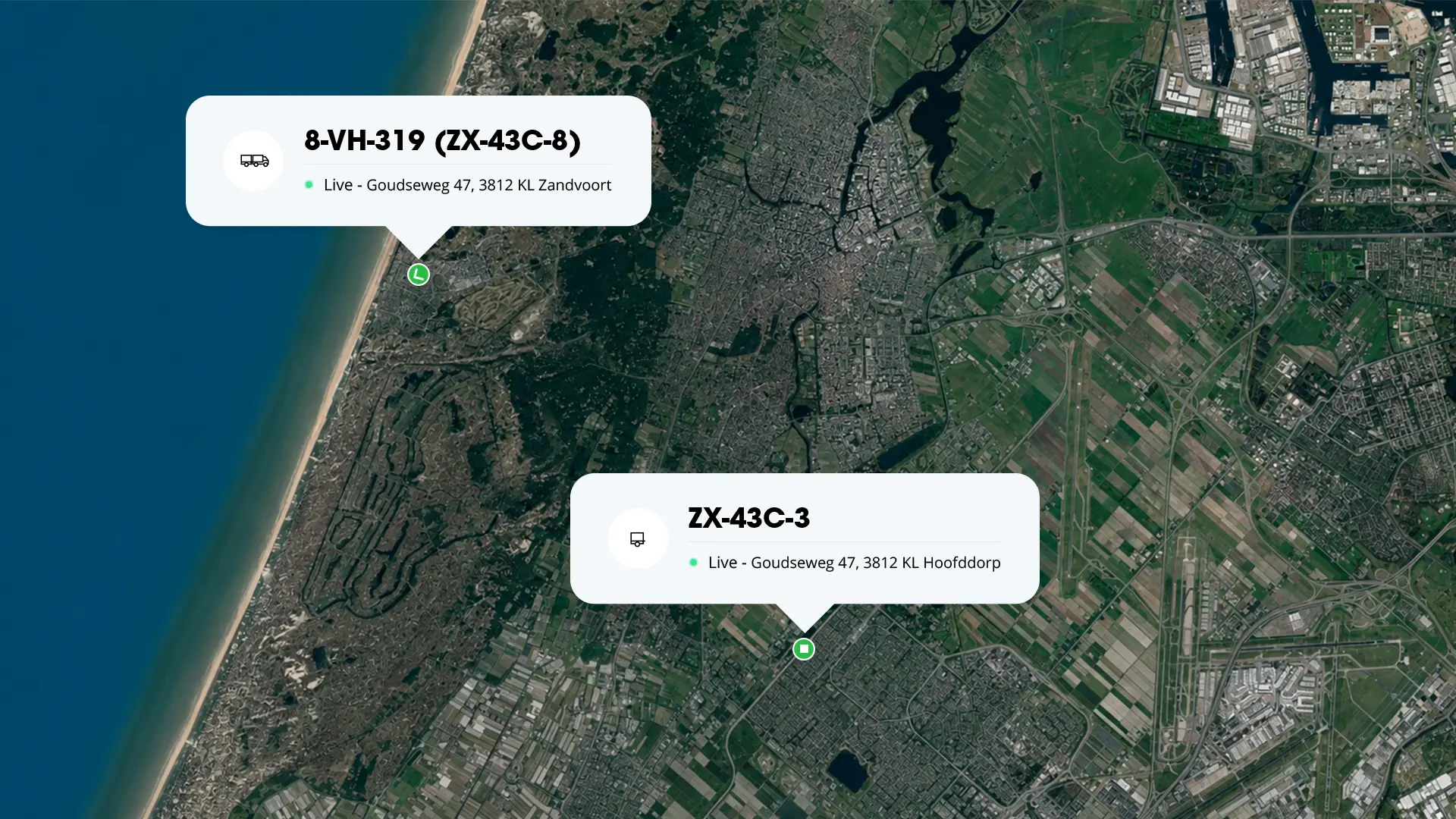
The location of every trailer is visible in real time in Flowter. Alongside current location, standstill duration, movements and full route history are also visible. This means it's not only clear where a trailer is now, but also where it has been and how it is being used. Zones can also be set around locations such as depots or projects: as soon as a trailer enters or leaves such a zone, a notification can be set up. This means it's clear not only where a trailer currently is, but also where it has been and when it arrives or departs.
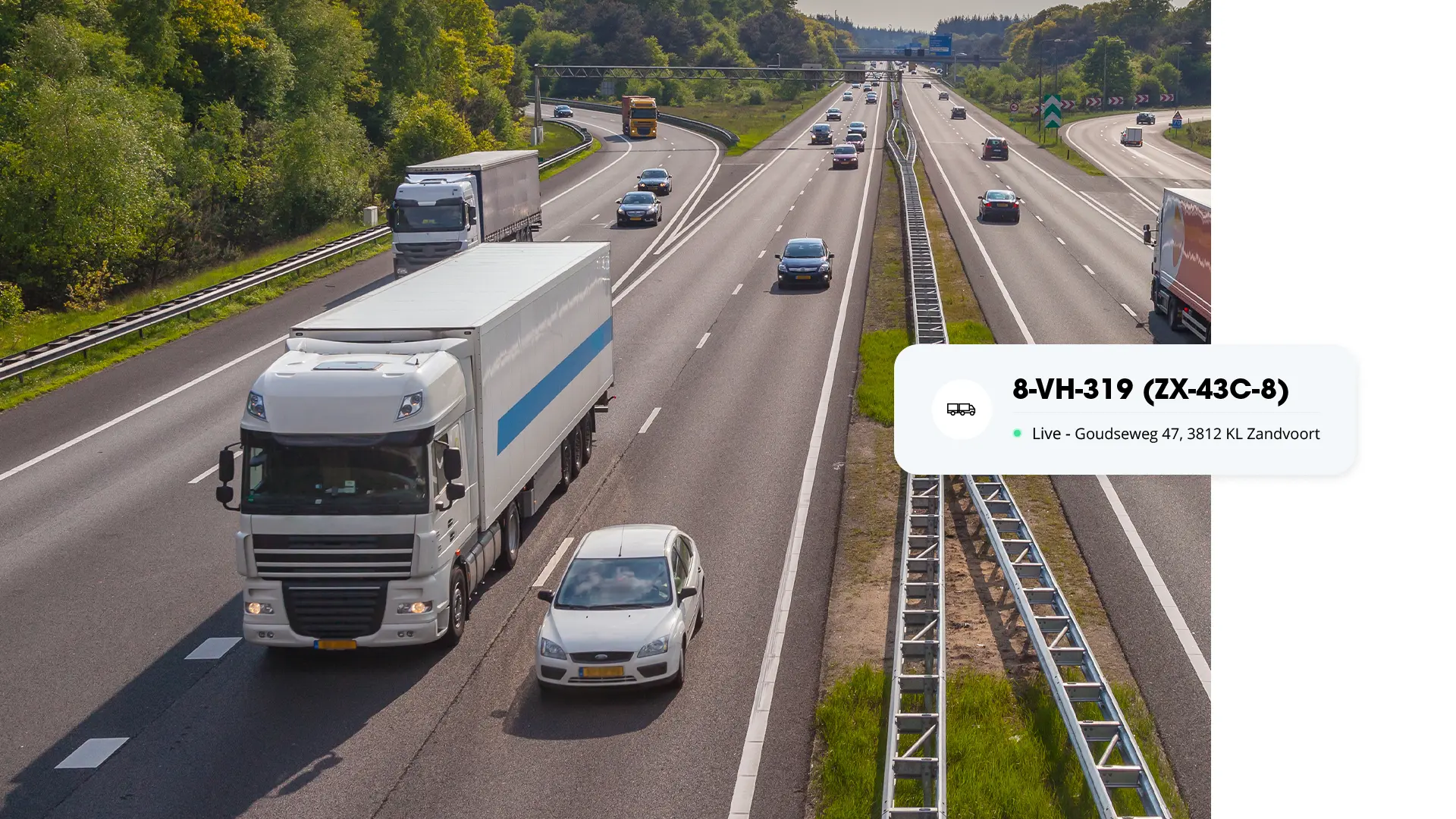
Truck and trailer, automatically linked
These solutions may also interest you


Detailed trailer data
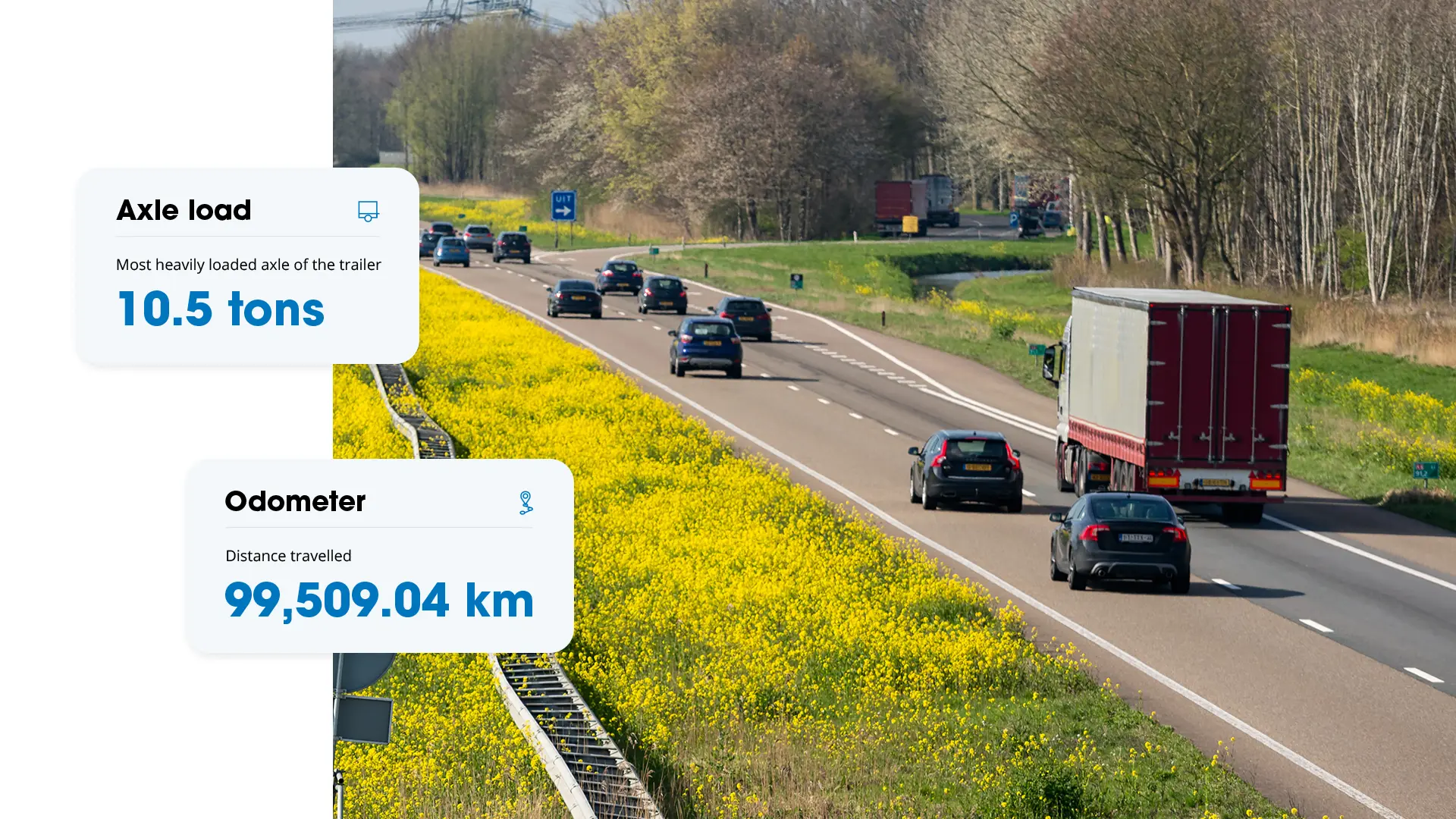
Alongside location, technical information about the trailer is also available: axle load, weight, odometer reading and tyre pressure, depending on the manufacturer, plus the status of the refrigeration unit. This provides extra insight into the technical condition and load of every trailer.
Temperature monitoring for trailers
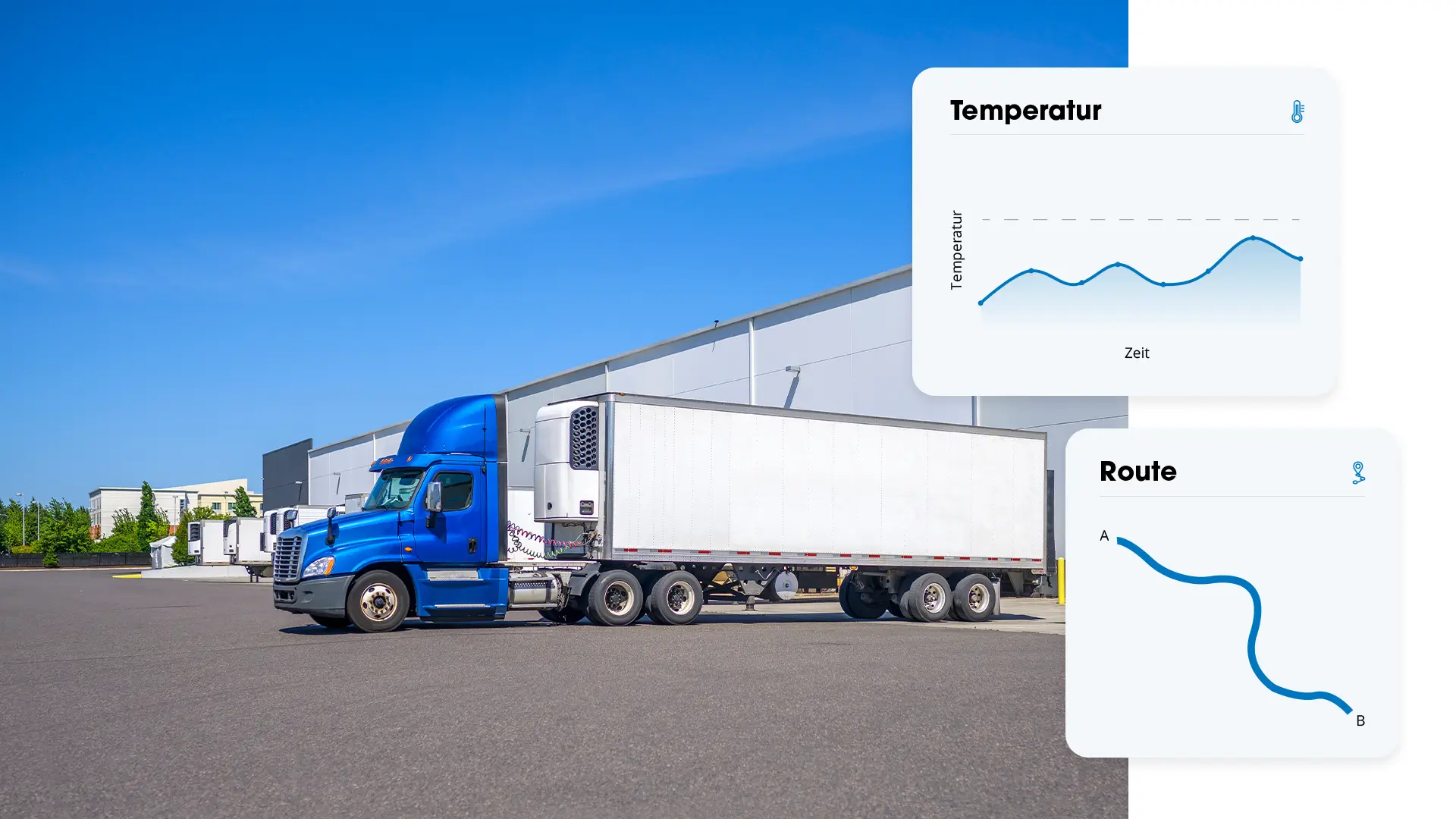
Trailers can optionally be equipped with temperature monitoring. Threshold values can be set independently, and a notification follows immediately in case of a deviation. Where applicable, the core temperature is calculated alongside the ambient temperature, providing the evidence needed to demonstrate HACCP and GDP compliance.
Beyond trailers: tracking other assets in Flowter
Tracking trailers raises a logical follow-up question: where are the corresponding vehicles, and how are trailer and vehicle aligned for more efficient planning? Insight into vehicle location in turn raises the question of how vehicles perform, and where fuel can be saved. A trailer tracking system is therefore not a standalone solution, but part of Flowter. By bringing all data points within the organisation together, it becomes clear what is really happening within the operation, creating the tools to manage efficiency, sustainability and compliance.
Learn more about GPS-Buddy’s trailer tracking system
Frequently asked questions and answers. Is your question not listed? Feel free to contact us.
What exactly is a trailer tracking system?
A trailer tracking system is a system that registers a trailer's location and status in real time, using technology such as GPS or RFID. This means an overview of where trailers are located is always available, independent of the towing vehicle.
Why is a standalone tracker needed for a trailer?
A trailer is regularly disconnected from the truck, for example during unloading, loading or storage. Without its own tracker, the trailer can no longer be tracked. A standalone GPS tracker, specifically developed for trailers and semi-trailers, continues to transmit location in real time, even when the trailer is not connected to a truck.
How does GPS-Buddy's trailer tracking system work?
An RFID tag on the trailer is recognised by the XT4 in the truck. When the trailer moves together with the truck, the system automatically links them in Flowter, each retaining its own ID. For detailed trailer data, such as axle load, weight and tyre pressure, the XT4 Rugged is used, which reads this data directly from the trailer system.
What are the benefits of a trailer tracking system?
Less searching and standstill, always clear which combination drove which trip, and extra insight through trailer data such as axle load, weight and tyre pressure.
Can I set up notifications for movement or departure?
Yes. Zones can be set around locations such as depots or projects. As soon as a trailer enters or leaves such a zone, a notification can be set up.
Yes, optionally. This allows cold chain management to be combined with the trailer tracking system.
How are truck and trailer linked?
An RFID tag on the trailer is recognised by the XT4 in the truck. When the trailer moves together with the truck, the system automatically recognises that they belong together, and truck and trailer are linked in Flowter, each with their own ID.