The live map behind the safety operation
Europe's oldest long-distance triathlon
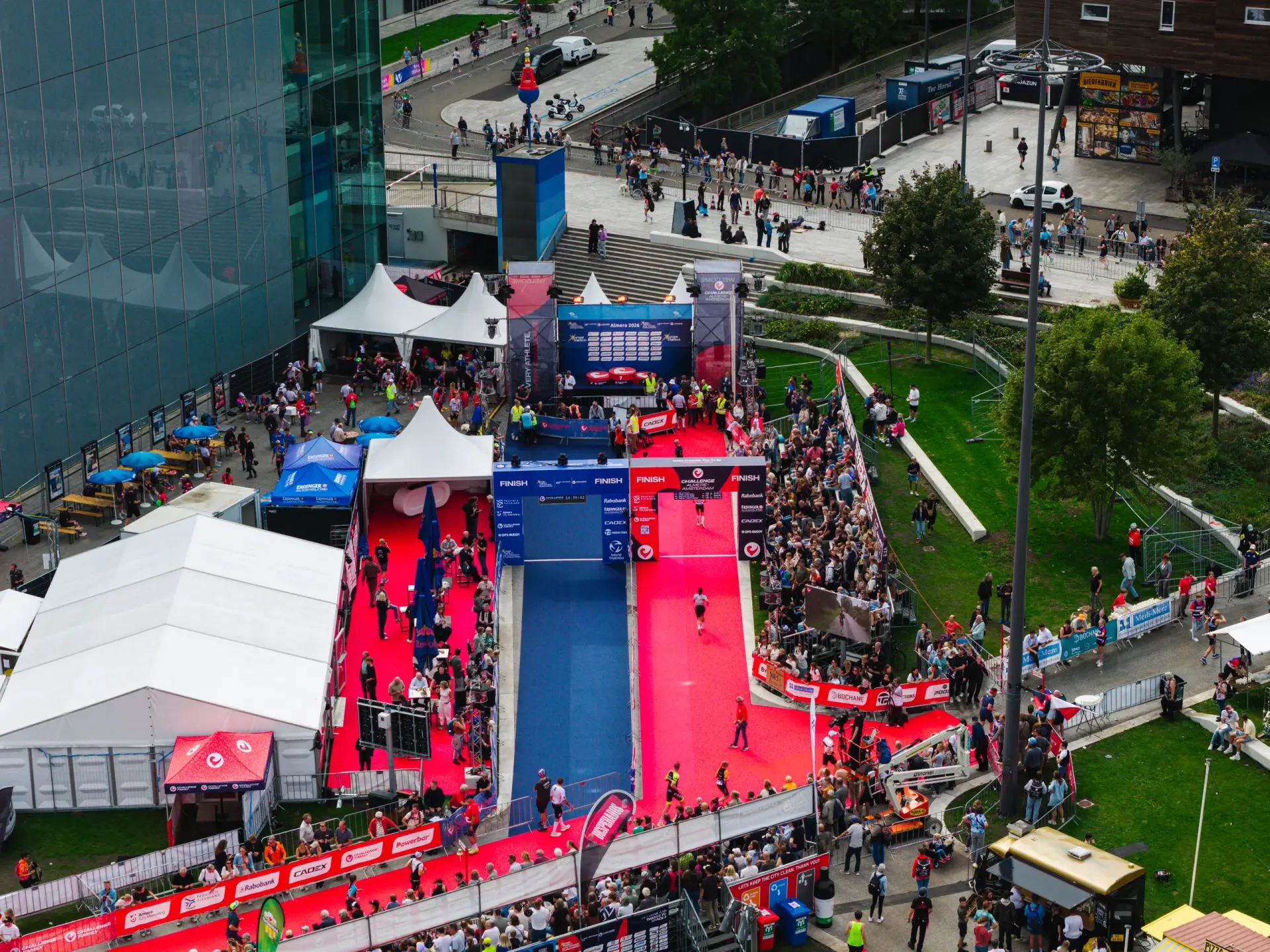
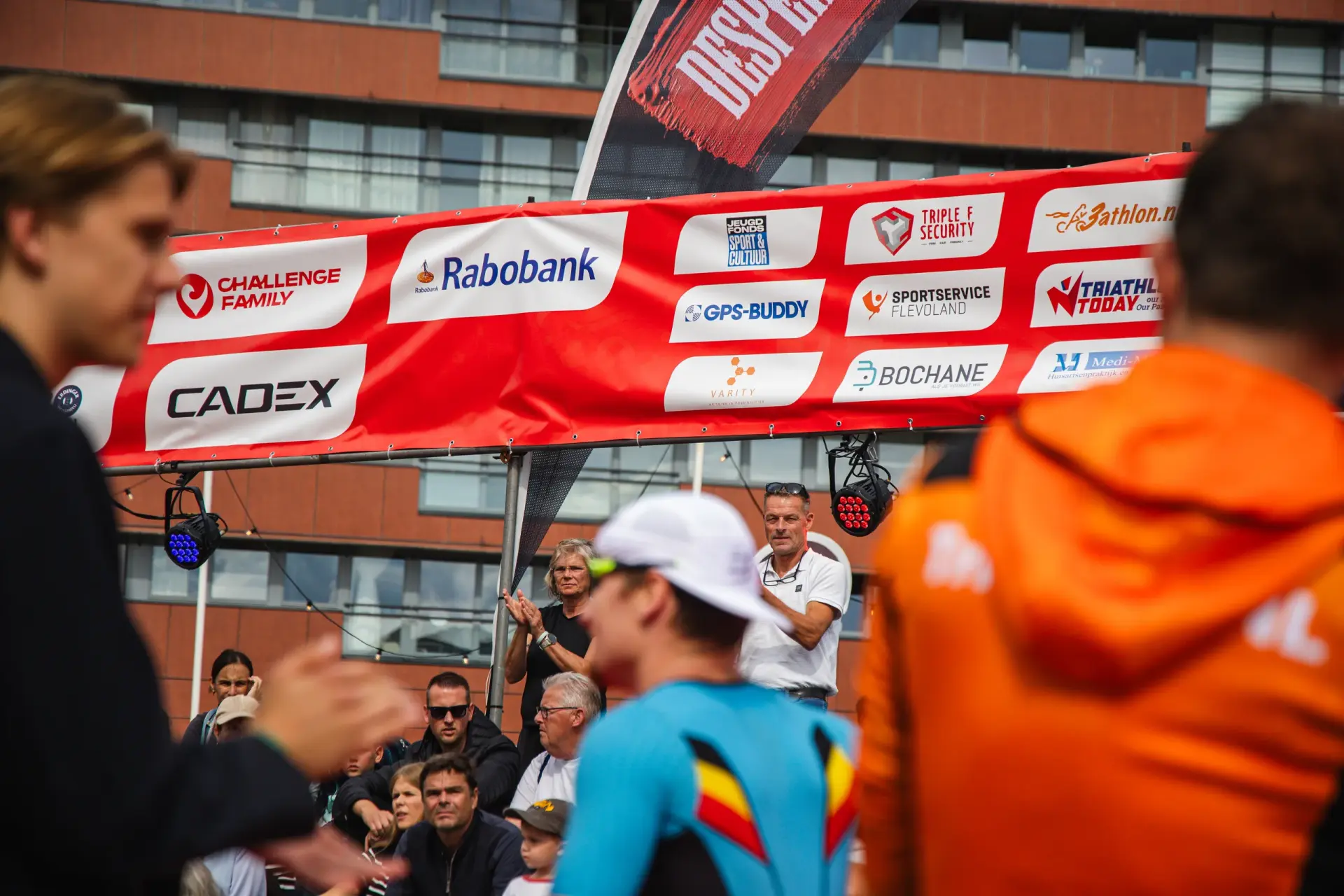
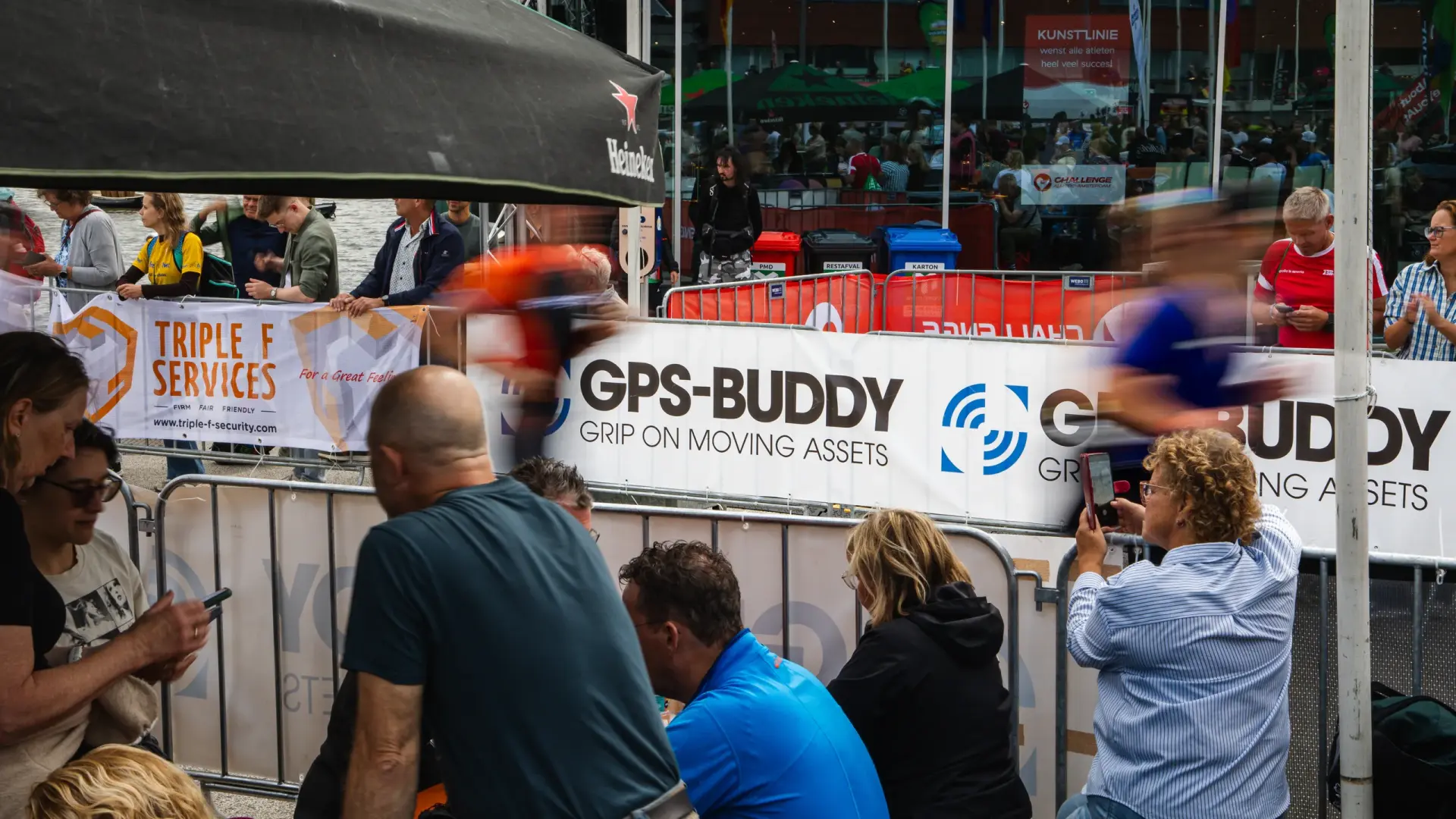
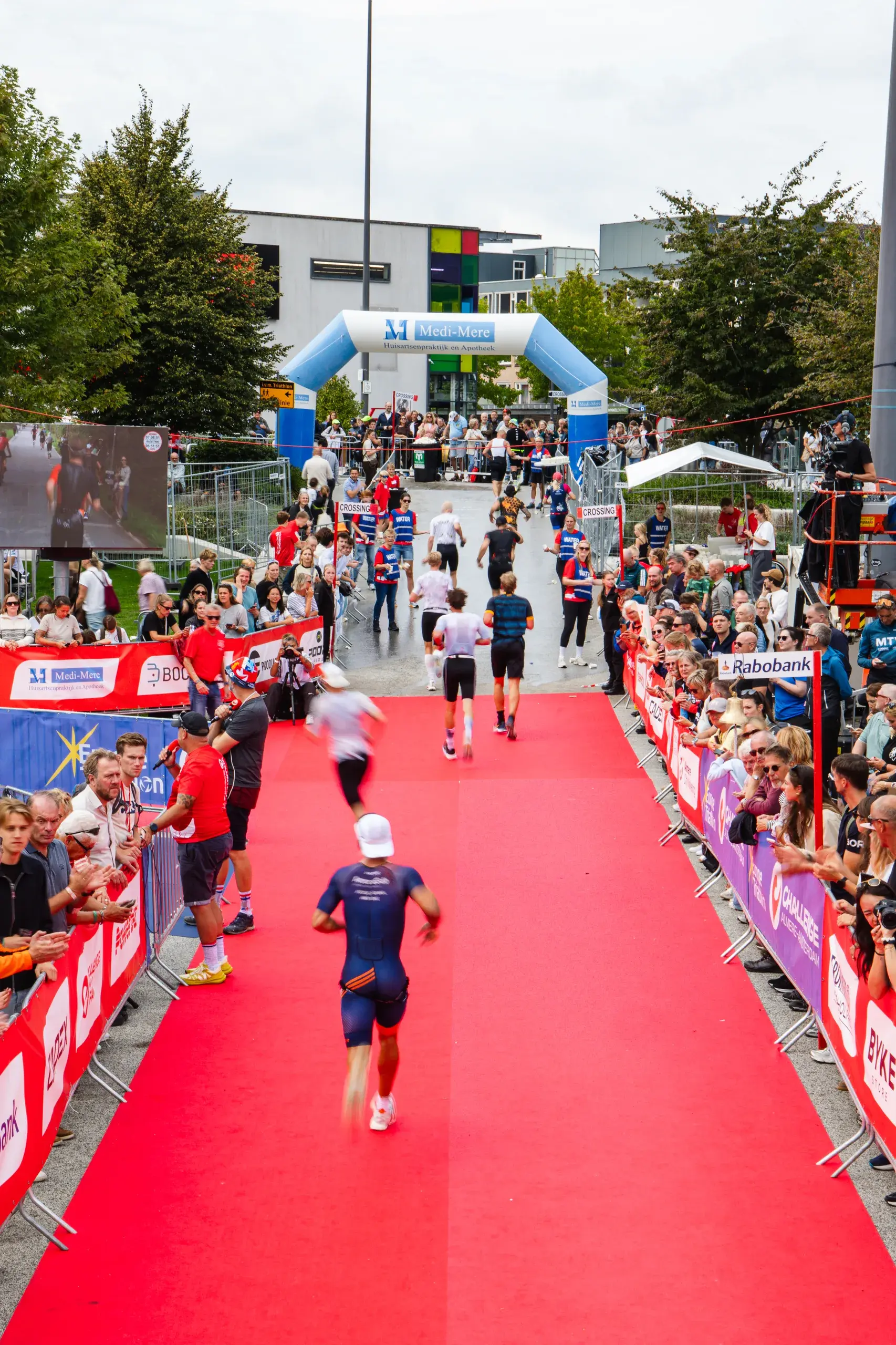
Challenge Almere-Amsterdam is the oldest long-distance triathlon in Europe and the second oldest in the world. The 45th edition took place from 10 to 13 September 2026 and included the European Championship over the classic distance: 3.8 kilometres of swimming, 180 kilometres of cycling and 42.2 kilometres of running. More than 4,500 athletes started the race and more than 800 volunteers helped make it happen.
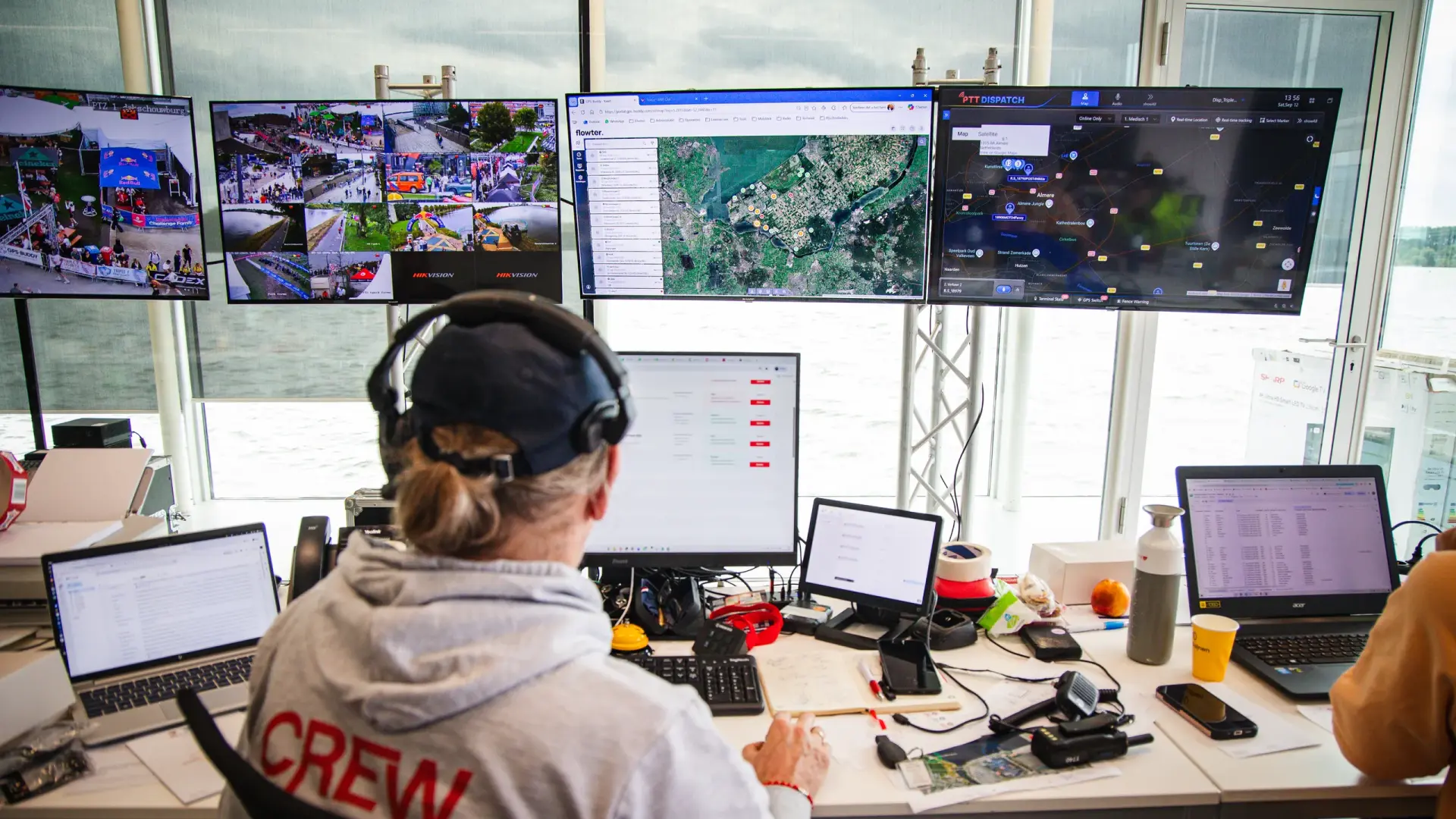
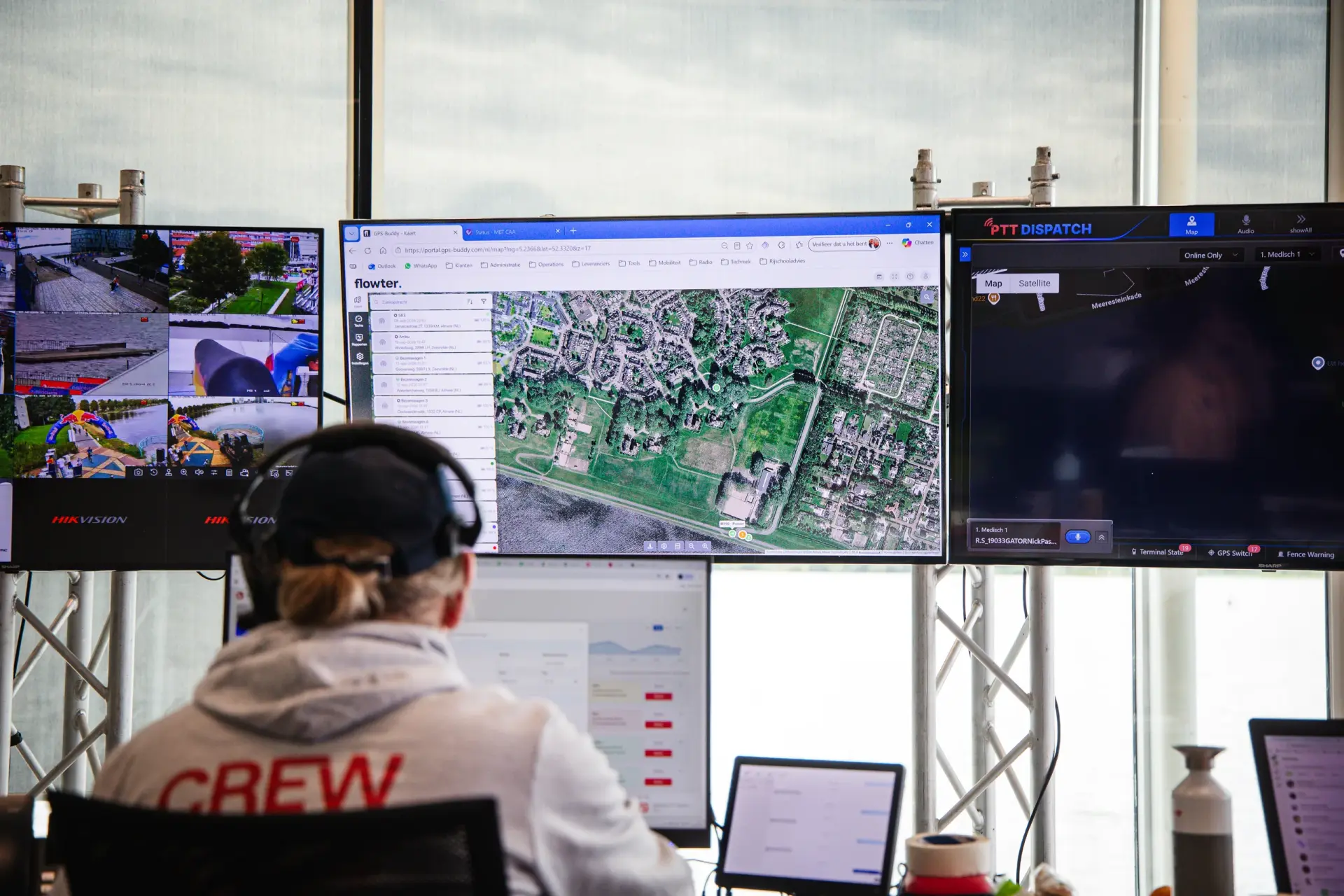
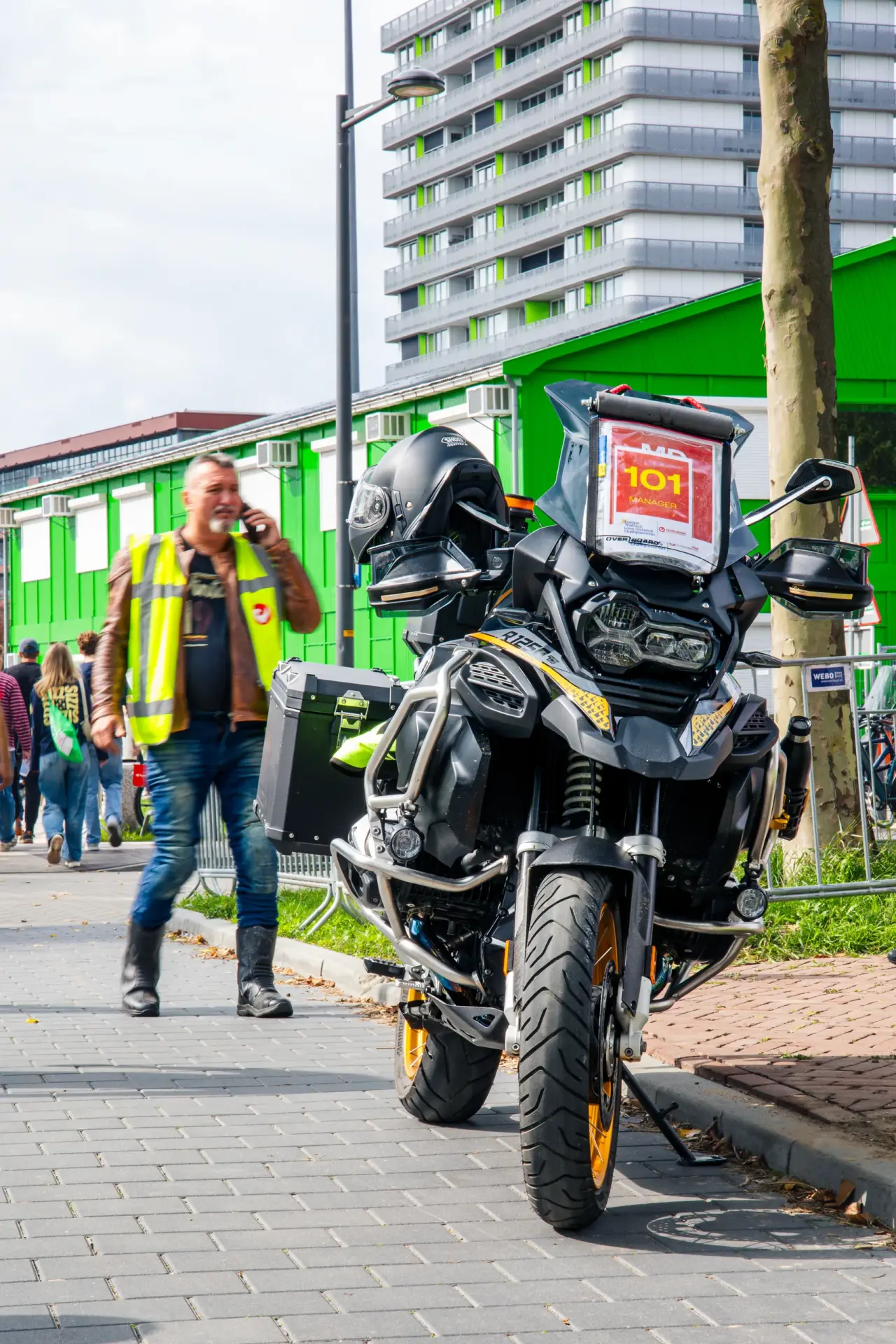
Sixty motorbikes ride the course, carrying a referee, a photographer or a member of the medical team on the back, or leading the way ahead of the athletes. GPS-Buddy provides live location for all 60 of them, now for the 7th year in a row. In the Event Control Center, that map is on one of the five screens on the wall, and the organisation manages safety on the course from that map. GPS-Buddy is also a sponsor of the event in its home town.
60 motorbikes across 180 kilometres
A triathlon of this size is, to a large extent, a traffic operation. Roads close as the first athletes approach and reopen once the last one has passed. In between, 60 motorbikes are on the move, each with its own task, spread across 180 kilometres of bike course.
If an athlete drops out, the organisation needs to know within a minute which motorbike is closest. Eight years ago, that still happened over the radio. Anyone who wanted to know where someone was would call them up and stick a flag in the map on the wall. Each flag was the rider's own estimate of their position, and it was accurate right up until they started riding again.
"We used to stick flags in a map on the wall. Now the trackers mainly give us calm and an instant overview." - Walter Hubers, Challenge Almere
The AT-4 and Flowter provide the overview
GPS-Buddy's solution consists of two parts that come together on a single map:
- An AT-4 tracker for every rider. The AT-4 is a stand-alone GPS tracker developed in-house by GPS-Buddy. The riders take it with them on the course. Nothing needs to be installed in or connected to the motorbike.
- Flowter in the Event Control Center. All 60 trackers feed into Flowter, GPS-Buddy's platform, where they appear live on the map.
The AT-4 has its own accurate GPS and a fast connection. For an event, that is what makes it work. On race day, 60 motorbikes arrive on site, and every one of them has to be on the map before the starting gun. Because the tracker works independently of the vehicle, no installation is needed.
One map in the Event Control Center
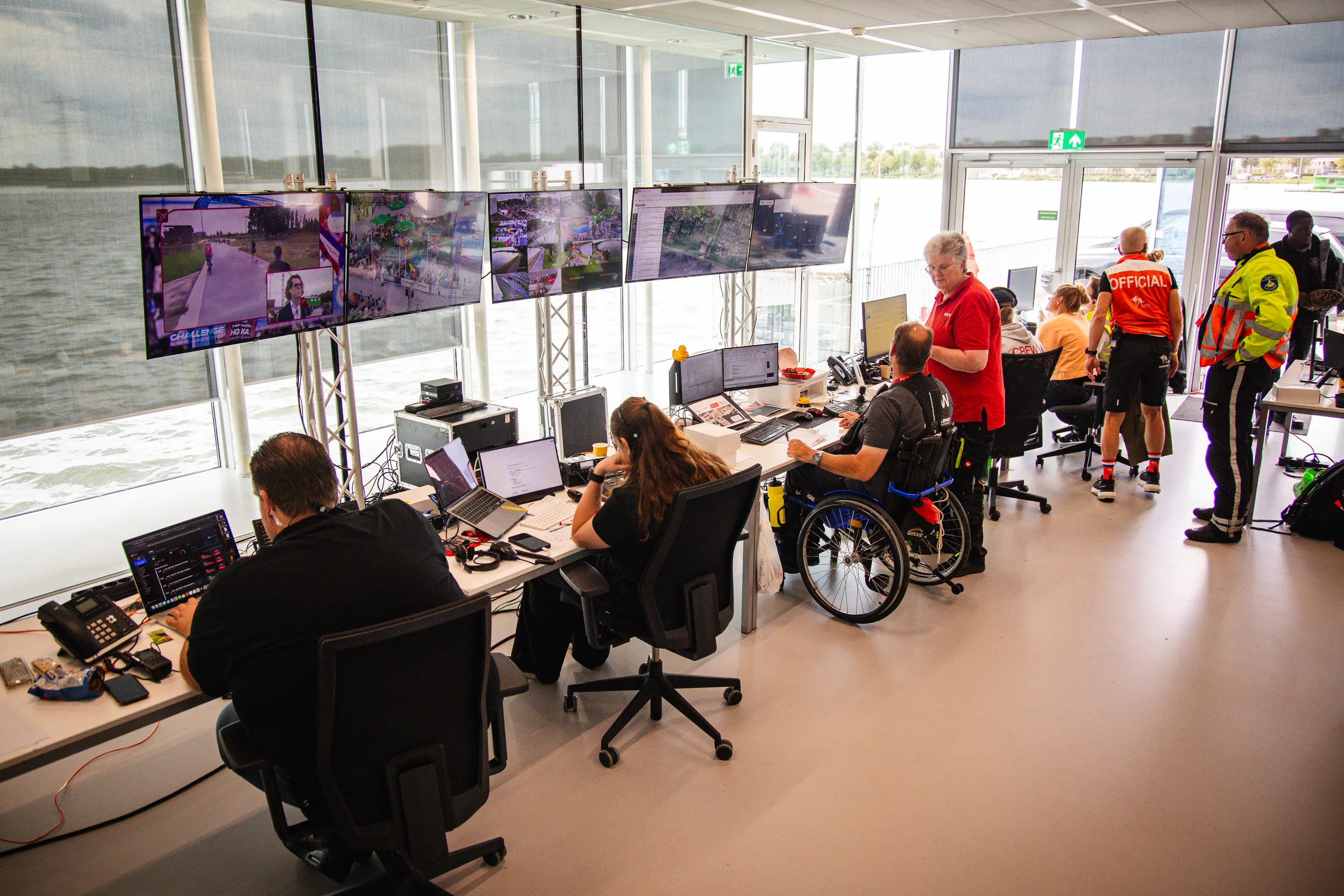
During the race, the organisation is based in Almere's theatre, in what they call the Event Control Center. Five screens on the wall: two with camera feeds, one for the transition zone, one for crowd management and one with the GPS-Buddy map showing all the motorbikes.
"The traffic team, the course team, the medical team and the jury are all in the same room. One picture, one room. If something happens, everyone looks at the same map." - Walter Hubers
From report to motorbike on the scene
When a report comes in about an athlete sitting at the side of the road, the first question is where the motorbikes are. The map immediately shows which motorbike is closest. That rider gets the assignment and is on the way before a first round of radio calls would have been completed.
Meanwhile, the map shows which section of the course is temporarily left without a motorbike. The organisation then sends a second motorbike in that direction. The same picture supports the medical response that follows. Whoever is on the scene reports what they find. The medical team already knows exactly where that is and no longer has to search for the location.
Opening and closing the course
Even when nothing goes wrong, the organisation manages the race from the GPS-Buddy map. When the first athletes enter the water, the first part of the bike course closes. A motorbike leads the way, followed by a van that drops the traffic marshals off at their posts. The map shows how far the lead rider and the van have got, and therefore which posts are already manned. A roundabout that has to close because the first athlete will be there in ten minutes closes on time.
At the end of the race, the same thing happens in reverse. Behind the last athlete comes the clean-up convoy, the bus that clears the aid stations, accompanied by a motorbike. The map shows how far the convoy has got. As soon as it has passed a section of the course, the road can reopen.
What it delivers for Challenge Almere
- Fast response: when a report comes in, the map immediately shows which motorbike is closest.
- Coverage: it is visible which section of the course has no motorbike, so a second one can be sent there.
- Medical assistance: the medical team knows straight away where an athlete is.
- Traffic control: roads close and reopen on time.
- One picture: the traffic team, course team, medical team and jury all work from the same map.
- Calm: less radio traffic to find out where someone is riding.
- No installation: 60 motorbikes live on the map, without modifying the vehicles.
Seven years of collaboration
Challenge Almere-Amsterdam and GPS-Buddy have now been working together for 7 years. Every year the motorbikes ride with GPS-Buddy trackers, and every year the map is on the wall in the Event Control Center. Over those years the technology has visibly changed, says Walter Hubers. The flags in the map have been replaced by a live picture that four teams work from at the same time.
On race day, it comes down to 60 motorbikes and 4,500 athletes who count on someone coming when something goes wrong. With the GPS-Buddy map, the organisation can see at any moment where everyone is riding.