Hardware
RFID Asset Tags
Unpowered, but never out of sight
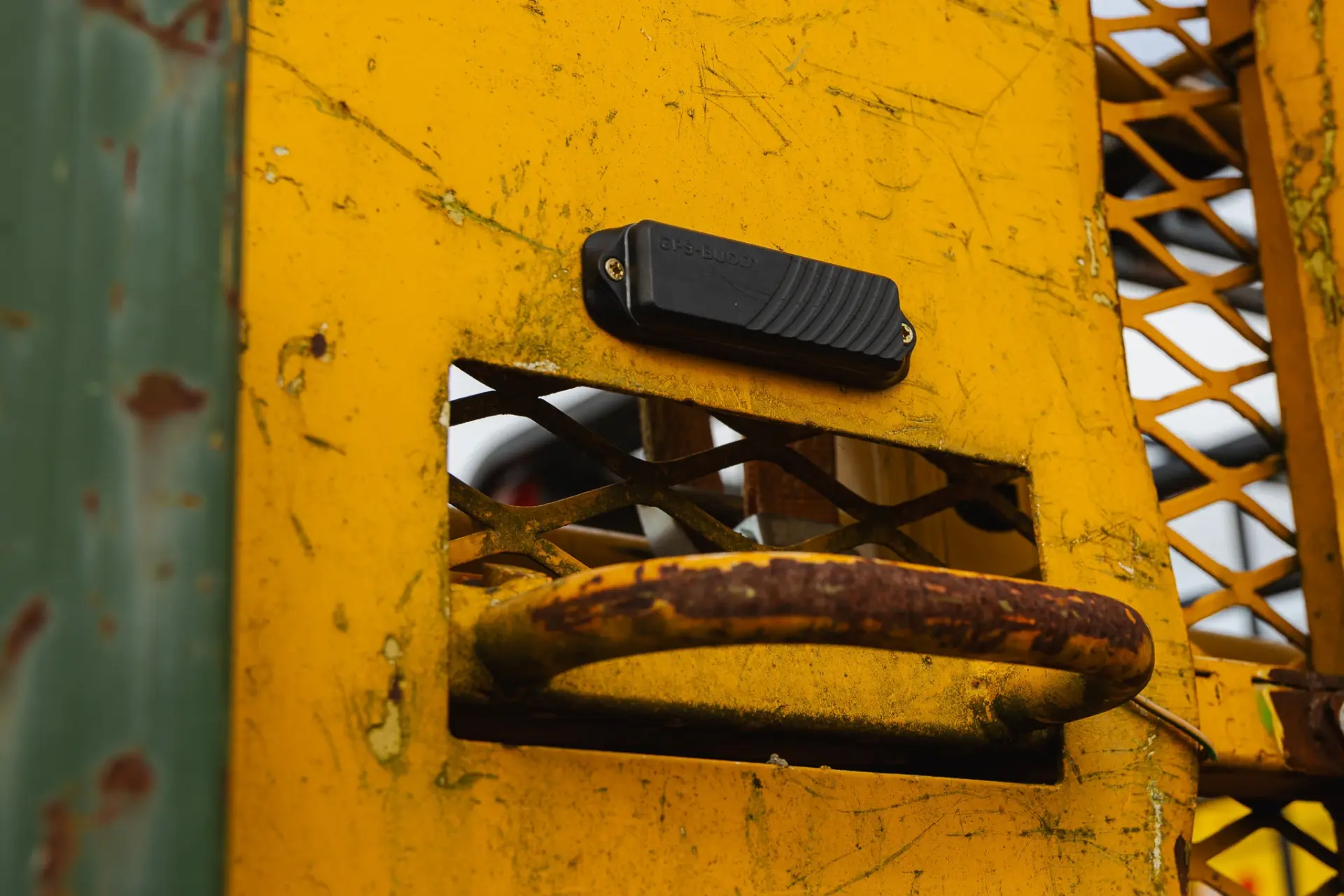
For equipment without its own power supply, there are the RFID Asset Tags. Attached to a piece of equipment, they provide not only its location but also usage data such as operating hours, for up to eight years on a single battery. RFID technology means: no expensive GPS module, no SIM card, no heavy battery. Our tags transmit a signal that easily reaches ten times the range of an industrial Bluetooth signal. This also makes it easier for the signal to penetrate steel, concrete and glass, exactly the materials you deal with in the field.
2,000+ industry leaders trust our technology


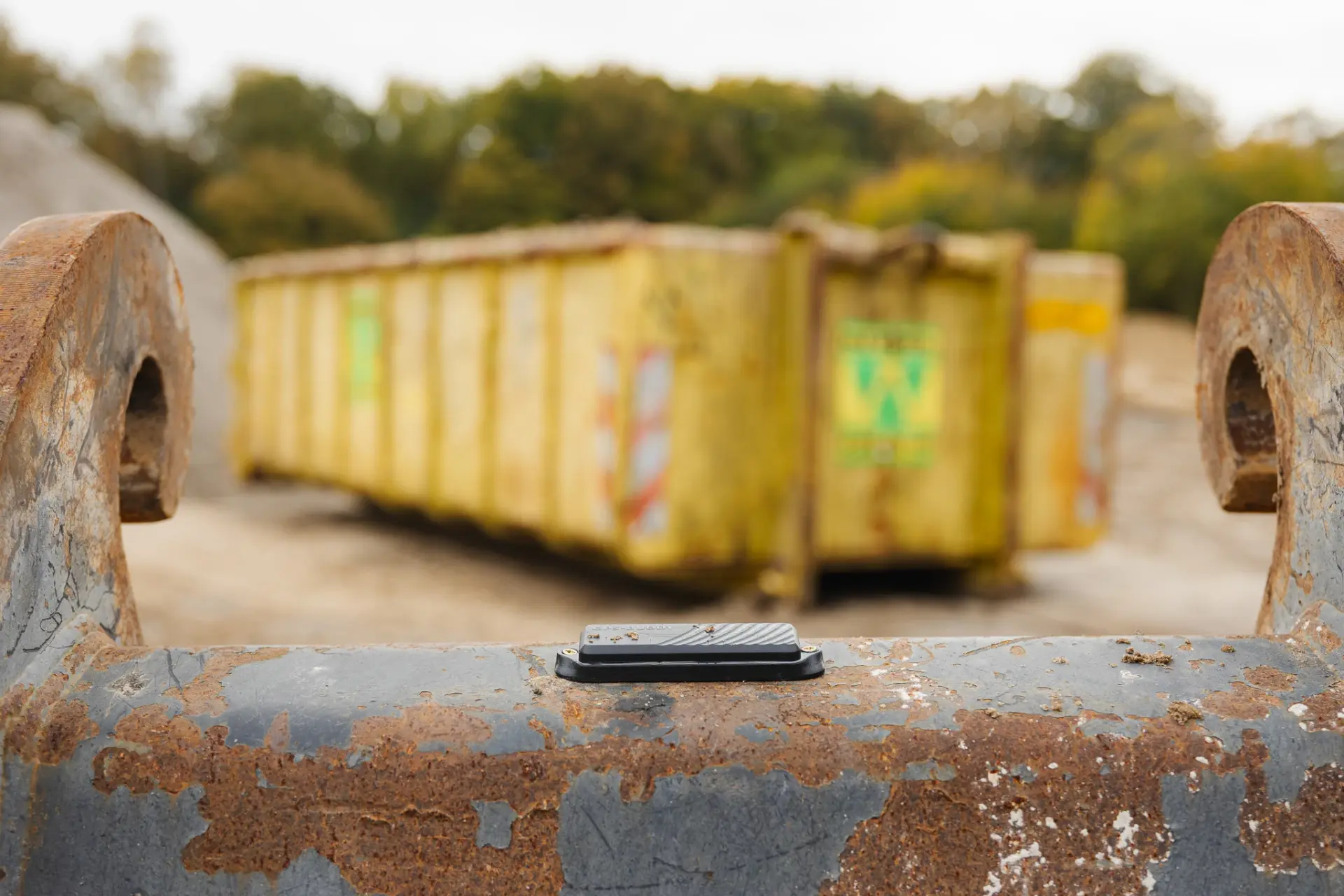
RFID Asset Tag features
- Battery life: up to eight years.
- Memory: buffers data when out of range.
- SmartRange: range up to ten times stronger than Bluetooth.
- Easy mounting: screws, adhesive or cable ties.
- Motion sensor: remembers the last location when stationary.
- Hybrid IoT ecosystem: all data visible in Flowter.
- Cargo recognition: sees which equipment goes along on transport.
- Cost-saving: fast ROI through full control.
A tag for every situation
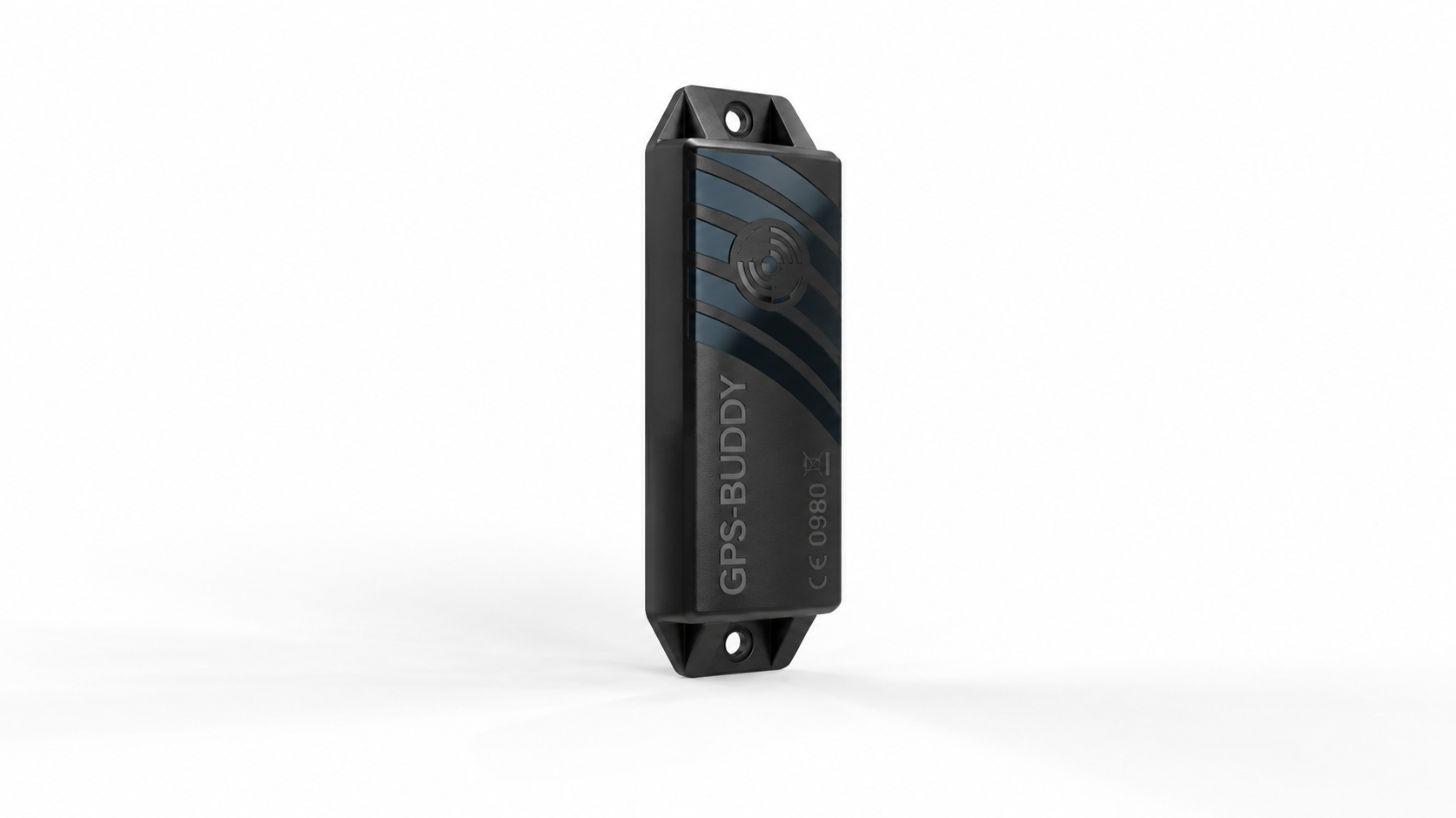
The Asset Tag
The core tag in the range, suitable for machinery, tools and trailers. Range up to 1,500 metres in open terrain, battery life up to eight years.
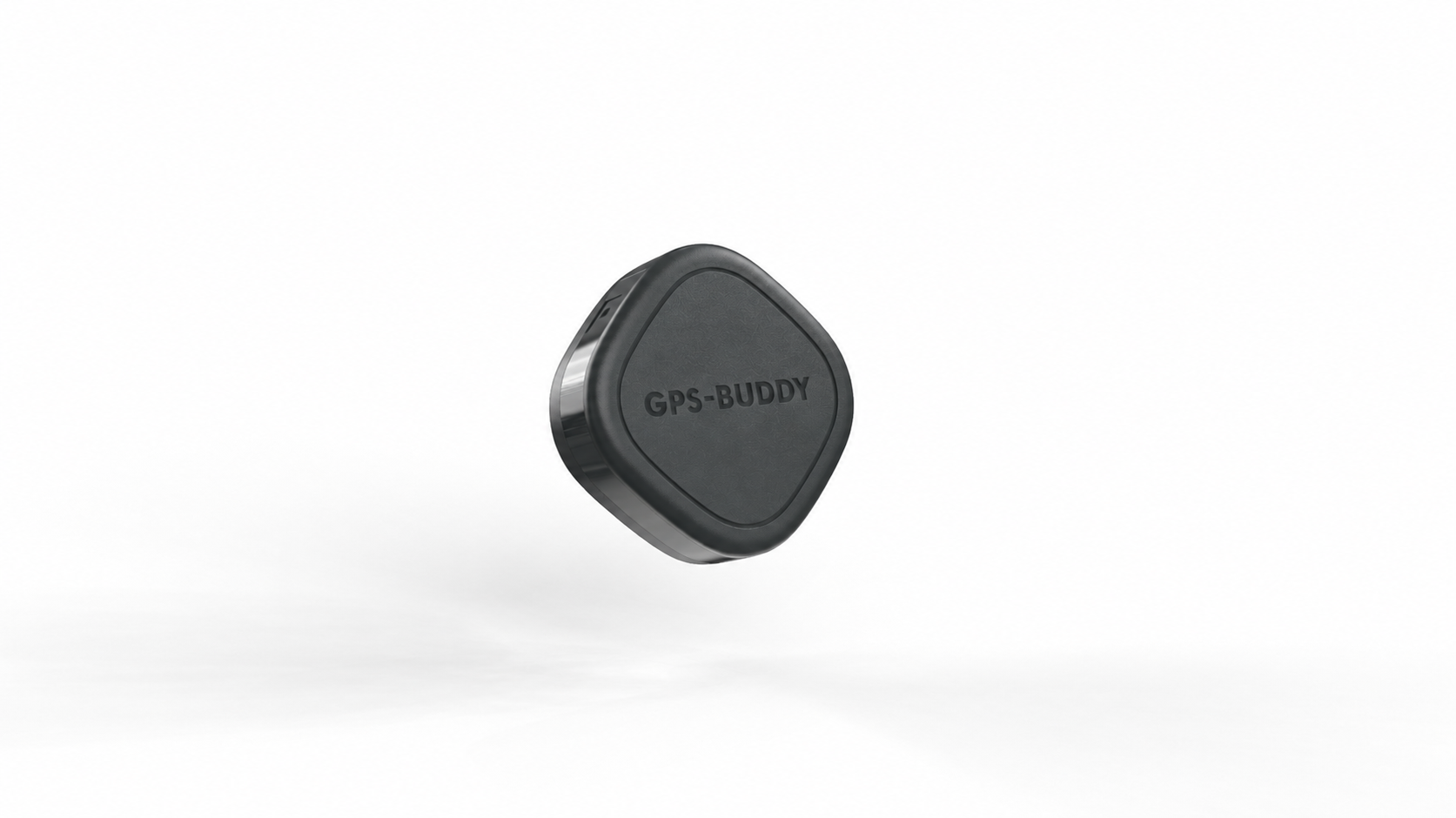
The Mini Tag
For tools and smaller equipment that are difficult to tag with the standard Asset Tag. Compact size (38 × 38 × 15 mm), range up to 800 metres, battery life of three years.
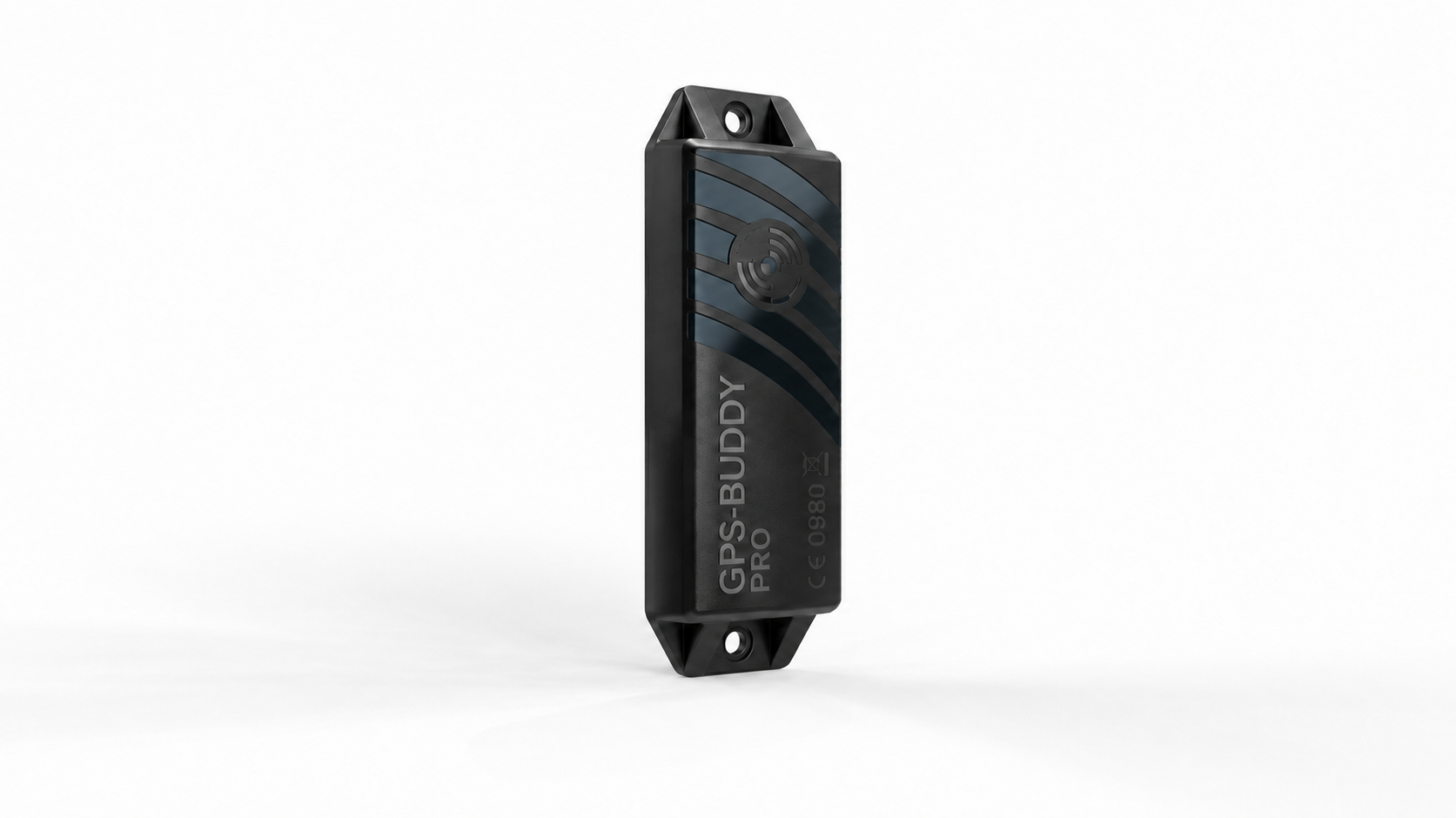
The Pro Tag
For equipment located further away from a gateway, or behind thick structures of steel, concrete or glass. Range up to 4,500 metres, more than three times further than the standard tag, battery life up to eight years based on the HACCP profile. (→ Download specifications)
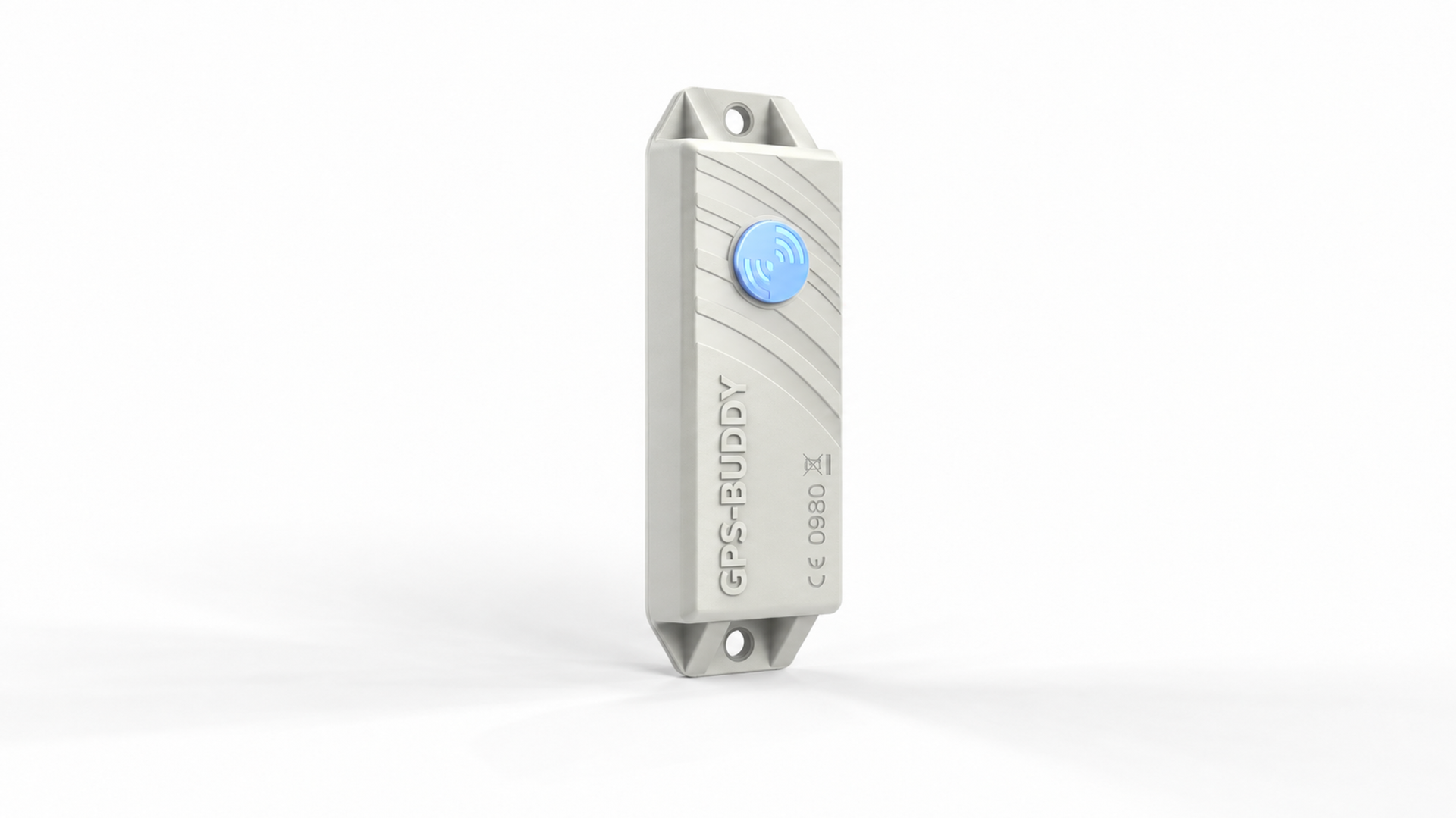
The Temperature Tag
For temperature-sensitive cargo such as vaccines, fresh produce, flowers or refrigerated transport. Continuously measures temperature and reports in line with HACCP and GDP guidelines, with a battery life of more than eight years.
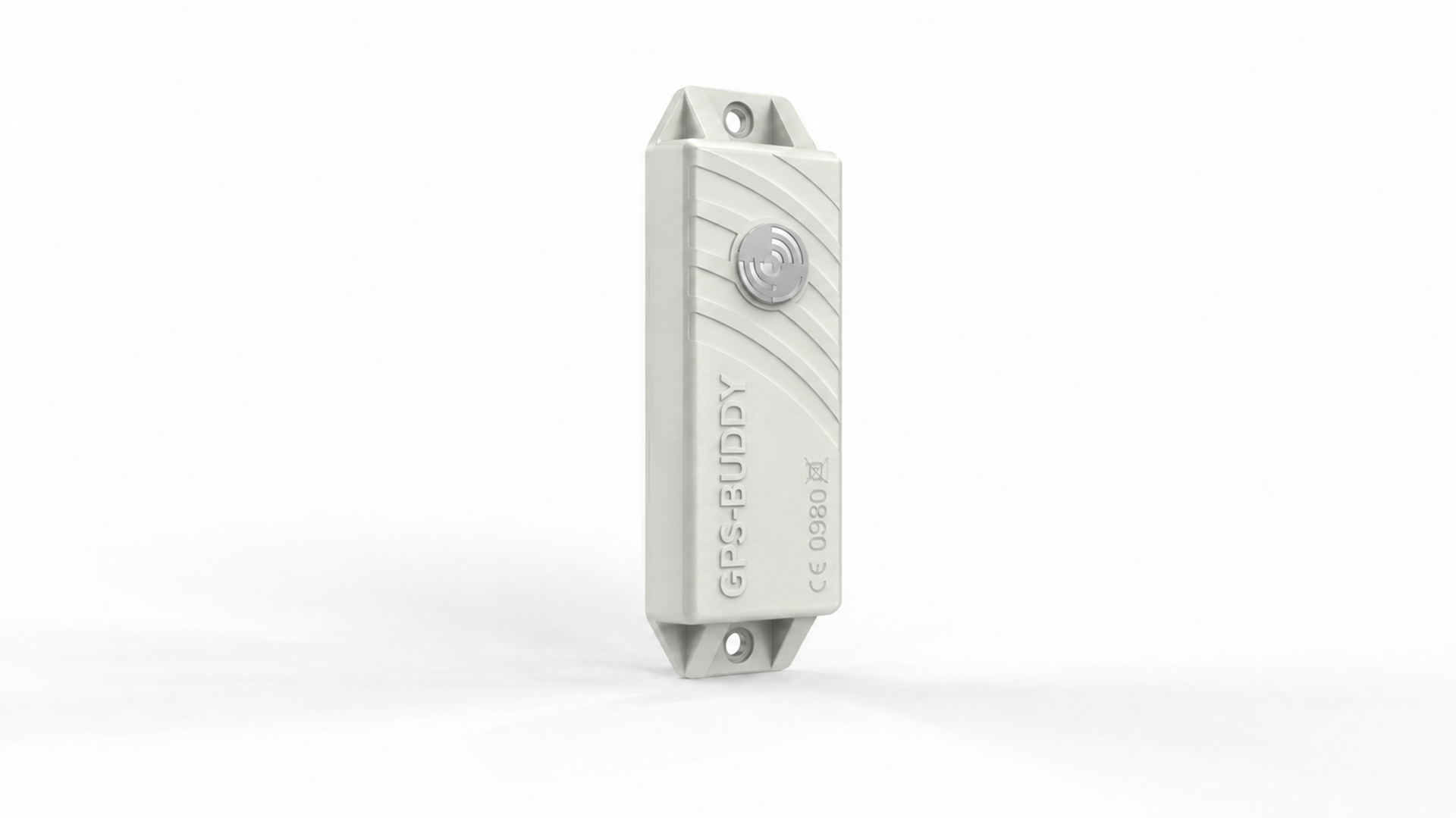
The Temperature and Humidity Tag
For applications where humidity also matters, such as pharmaceuticals or climate-controlled storage. Measures both values simultaneously, with a range of up to 4.5 kilometres in open terrain and a battery life of more than eight years.
The ID Tag
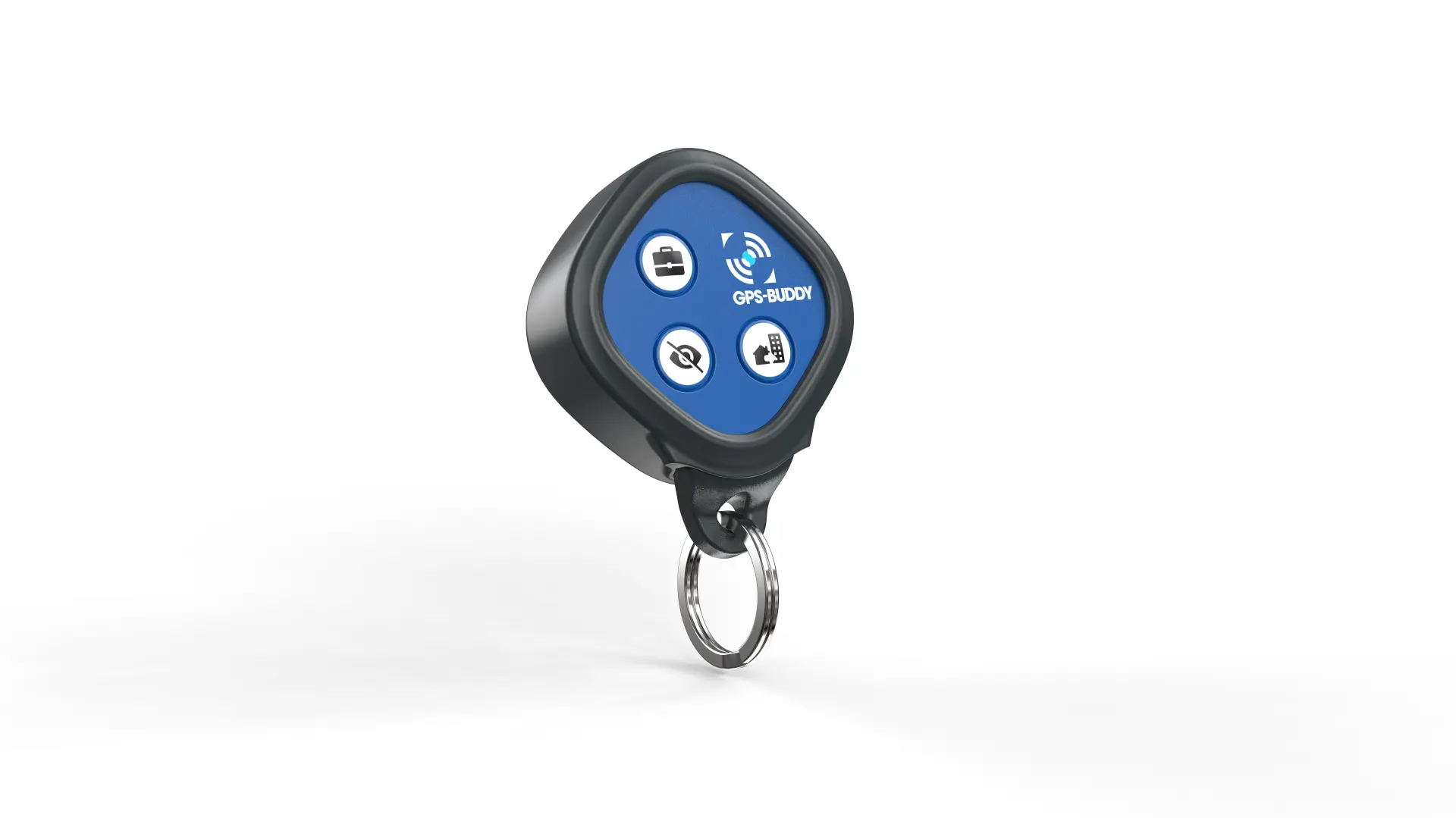
The ID Tag brings your employees into Flowter alongside the rest of your operation. The tag is compact, so your employees can easily carry it with them. With one press of a button, they indicate themselves that they are on their way to work, have arrived or are leaving. If they fall or have an accident, the man-down function registers it immediately. That way, everyone works more safely.
Das erste hybride IoT-Ökosystem
Ganz gleich, für welchen Tag Sie sich entscheiden: Die Daten gelangen über das Gateway in Flowter. Dort ergeben sie zusammen mit dem Rest Ihrer Flotte und Ihres Equipments eine Gesamtübersicht. Mit Asset Intelligence steuern Sie gezielt auf Effizienz, Compliance, Nachhaltigkeit und Sicherheit.
SmartRange
With SmartRange, the tag automatically adjusts its transmission power to the distance from the nearest gateway. If an asset is far away or behind obstacles, the signal is boosted. If a gateway is close by, the tag scales back for more accurate positioning.
Accurate location thanks to the motion sensor
A built-in motion sensor detects when equipment is stationary and automatically remembers that last, accurate location. As soon as it moves again, the tag searches for a new signal and passes on its current position.
Cargo assets
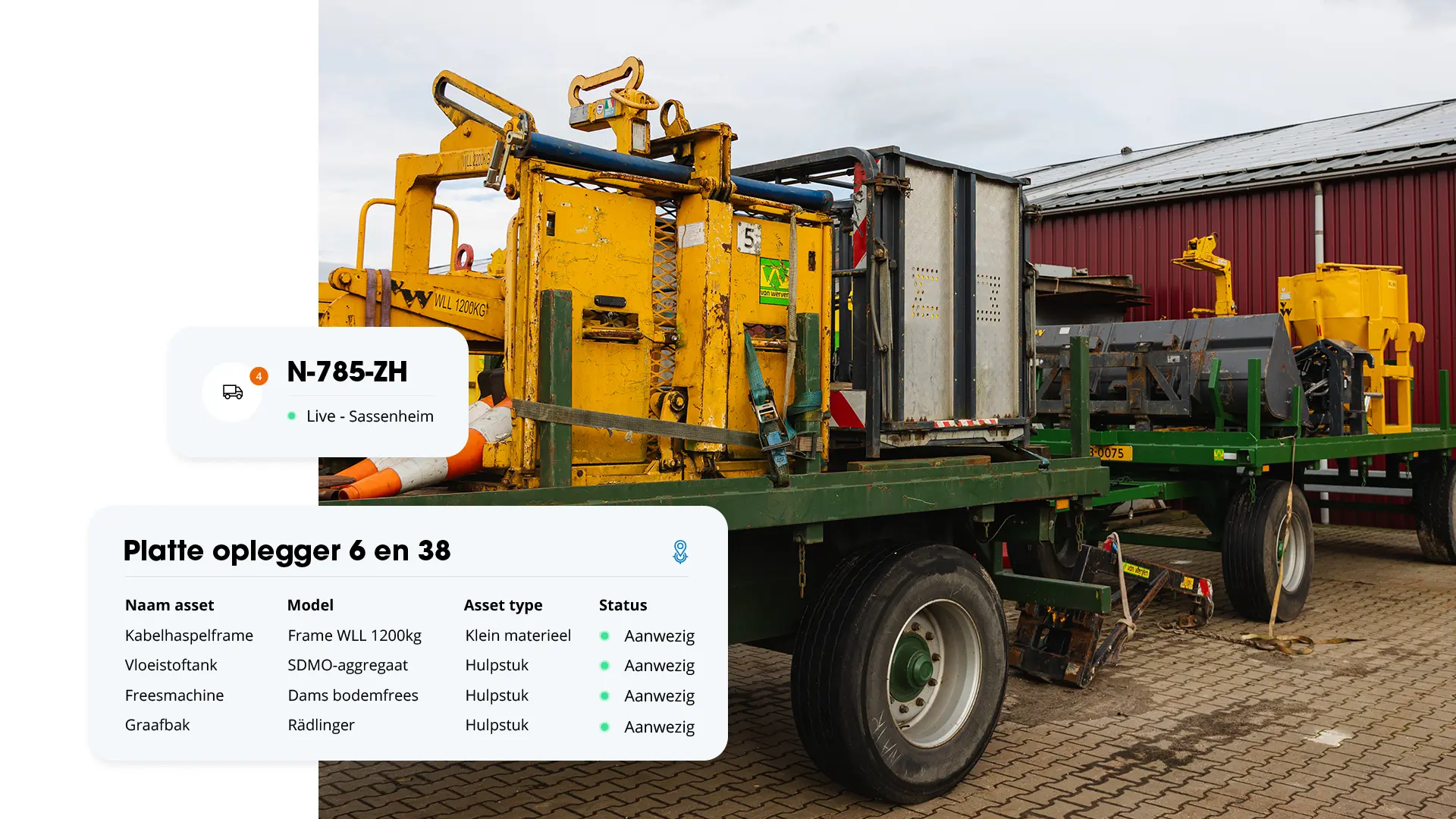
The software automatically recognises which equipment is being carried in which trailer or low loader. That way you see right away whether the right load has been taken along, or whether something is missing or has been left in the wrong place.
From crane to laser: one platform for all equipment
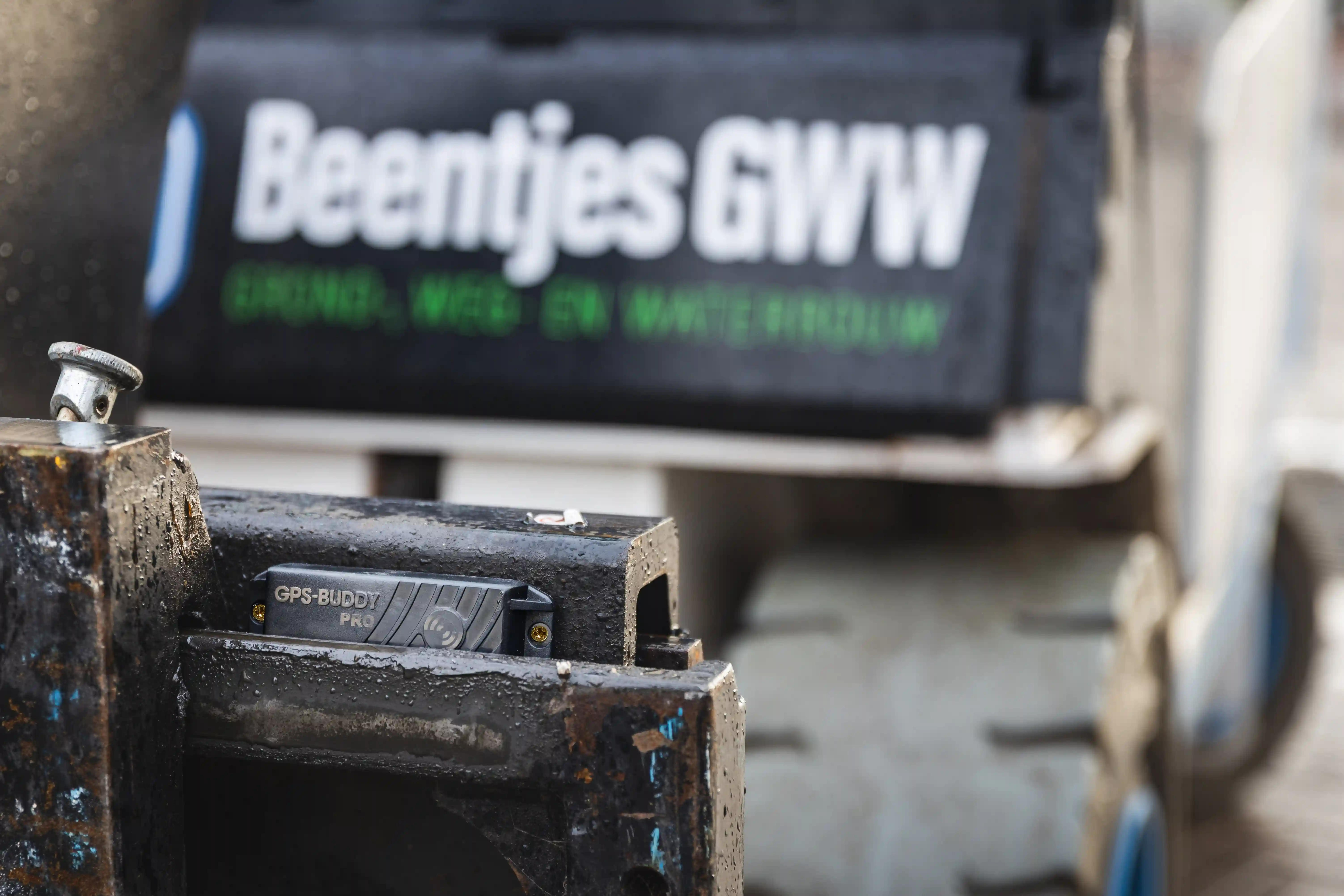
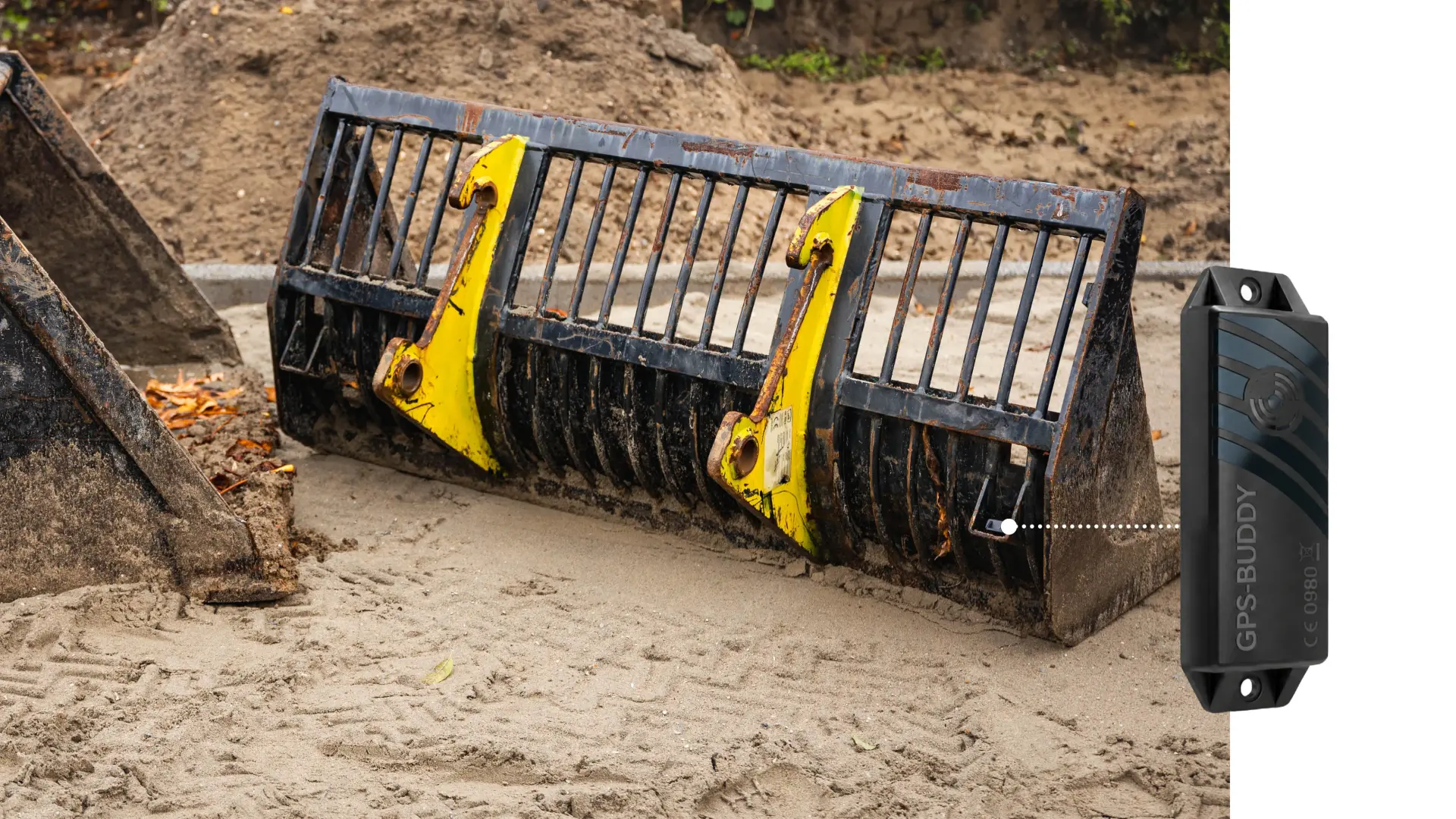
How Beentjes GWW went from lost lasers to full visibility of all its equipment with XT-4s and asset tags in Flowter, saving tens of thousands of euros in purchases.
The first hybrid IoT ecosystem
Whichever tag you choose, the data reaches Flowter via the gateway. There, it forms a single overview together with the rest of your fleet and equipment. With Asset Intelligence, you can manage efficiency, compliance, sustainability and safety.
Read more about GPS-Buddy RFID Asset Tags
Frequently asked questions and answers. Is your question not listed? Then contact us.
What is RFID?
RFID stands for Radio Frequency Identification: a tag independently transmits a radio signal that is picked up by a nearby receiver, in this case a GPS-Buddy gateway. This means no SIM card or GPS module is needed, which keeps the tag small, energy-efficient and affordable.
Which RFID Asset Tag suits my situation?
That depends on the application. The Mini Tag is designed for tools, the Pro Tag for longer distances or dense structures, and the Temperature (+ Humidity) Tag for temperature-sensitive cargo. The standard Asset Tag is the choice for most machinery, trailers and other equipment.
Do the tags need a SIM card?
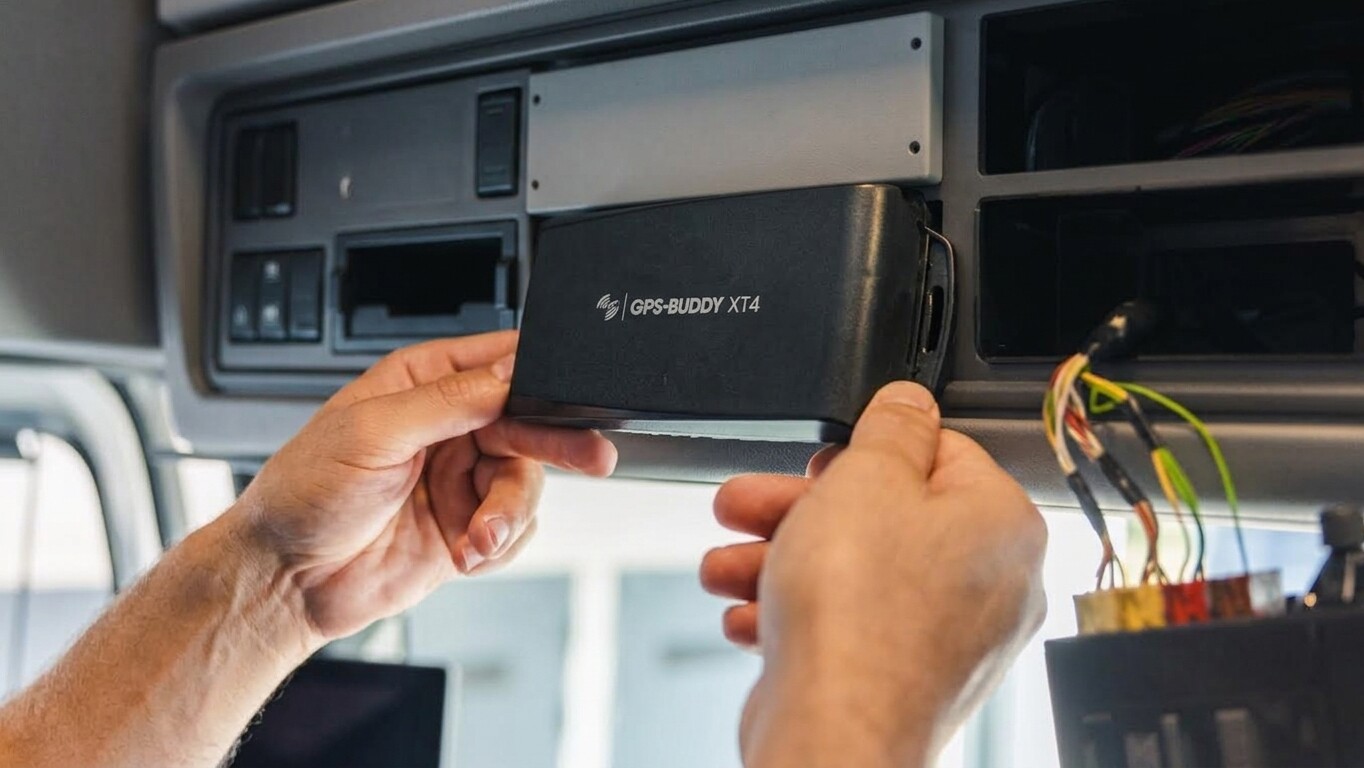
No. The tags use RFID technology and communicate via a signal that is picked up by a gateway, such as the XT-4 or one of the other GPS-Buddy gateways.
What happens if there is no gateway nearby?
Every tag has a built-in memory and buffers the data until a gateway is back within range.
Can the tags also be used outdoors?
Most tags have an IP68-rated housing and can be used both indoors and outdoors. The Mini Tag is rated IP42 and is mainly suitable for drier conditions.
What is the difference between RFID and Bluetooth?
RFID tags do not need a SIM card or an expensive GPS module and communicate two ways with the gateway. The signal is also up to ten times stronger than an industrial Bluetooth signal, which makes it easier to penetrate steel, concrete and glass. That makes RFID better suited for use in and around heavy structures and over longer distances.