Hardware
All your assets in view, with or without a power supply
Insight into your vehicles, machines and equipment
Our hardware, which we develop ourselves through our own R&D team in Italy, changes the way you stay in control of your operation. Built into a vehicle, mounted on a machine or piece of equipment, and of value to the people doing the work: every piece of hardware collects not just location data, but also insight into how that asset is used, so you can optimize the work.
2,000+ industry leaders trust our technology





The technology that makes the difference
Tab titel
Revolutionary RFID and gateway technology
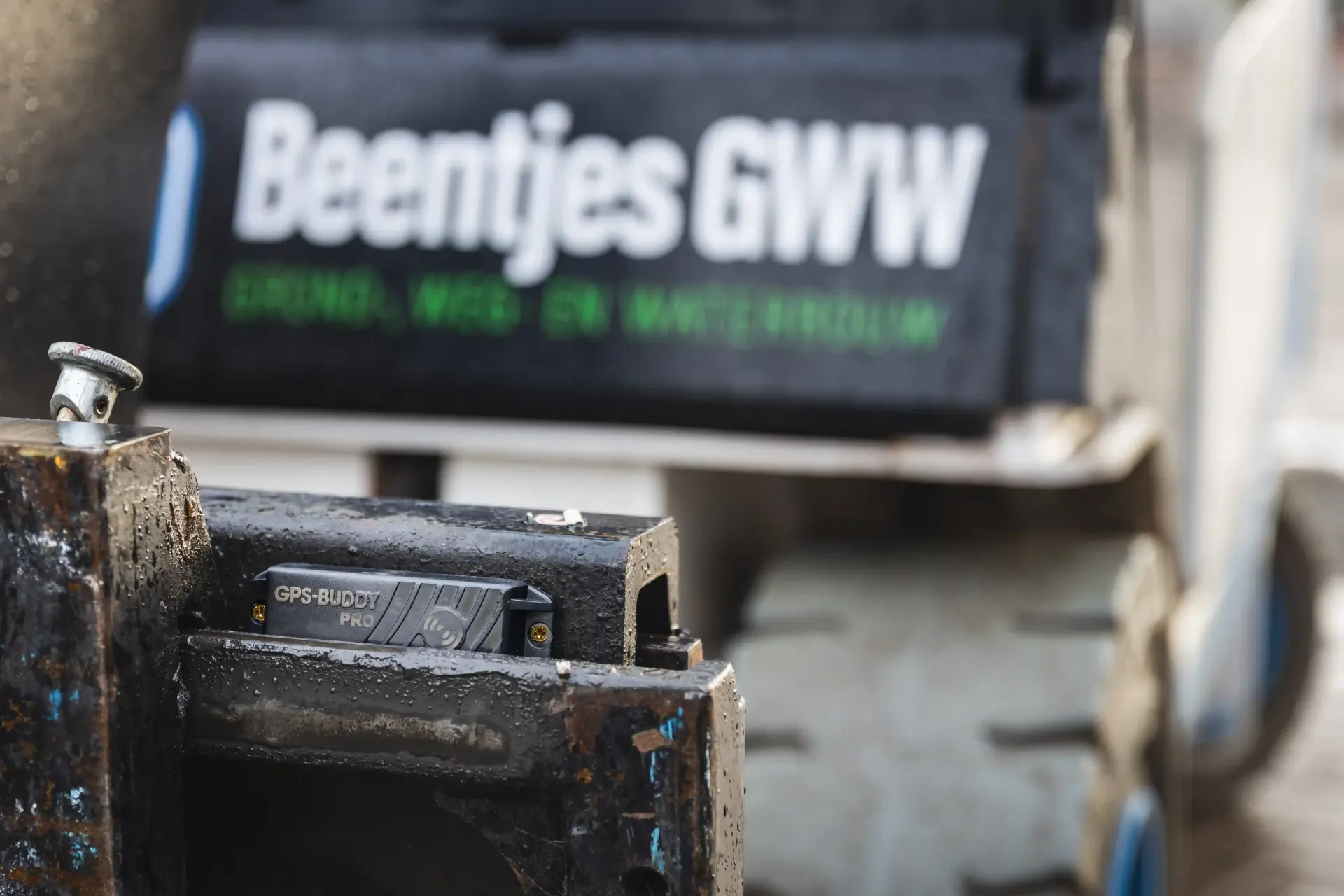
GPS-Buddy uses revolutionary RFID technology: up to ten times stronger than industrial Bluetooth, and it passes effortlessly through steel, concrete and glass. Where Bluetooth only transmits, this system communicates both ways: from tag to gateway, and from gateway to tag. If a tag falls out of range, its data is buffered until the connection is restored.
Tab titel

The first hybrid IoT ecosystem
There's a tag or tracker for every asset: vehicles, machines, tools, materials and people all come together in Flowter, visible side by side in real time. That gives you one complete view of the entire operational chain.
Tab titel
Developed in-house, tested in the field
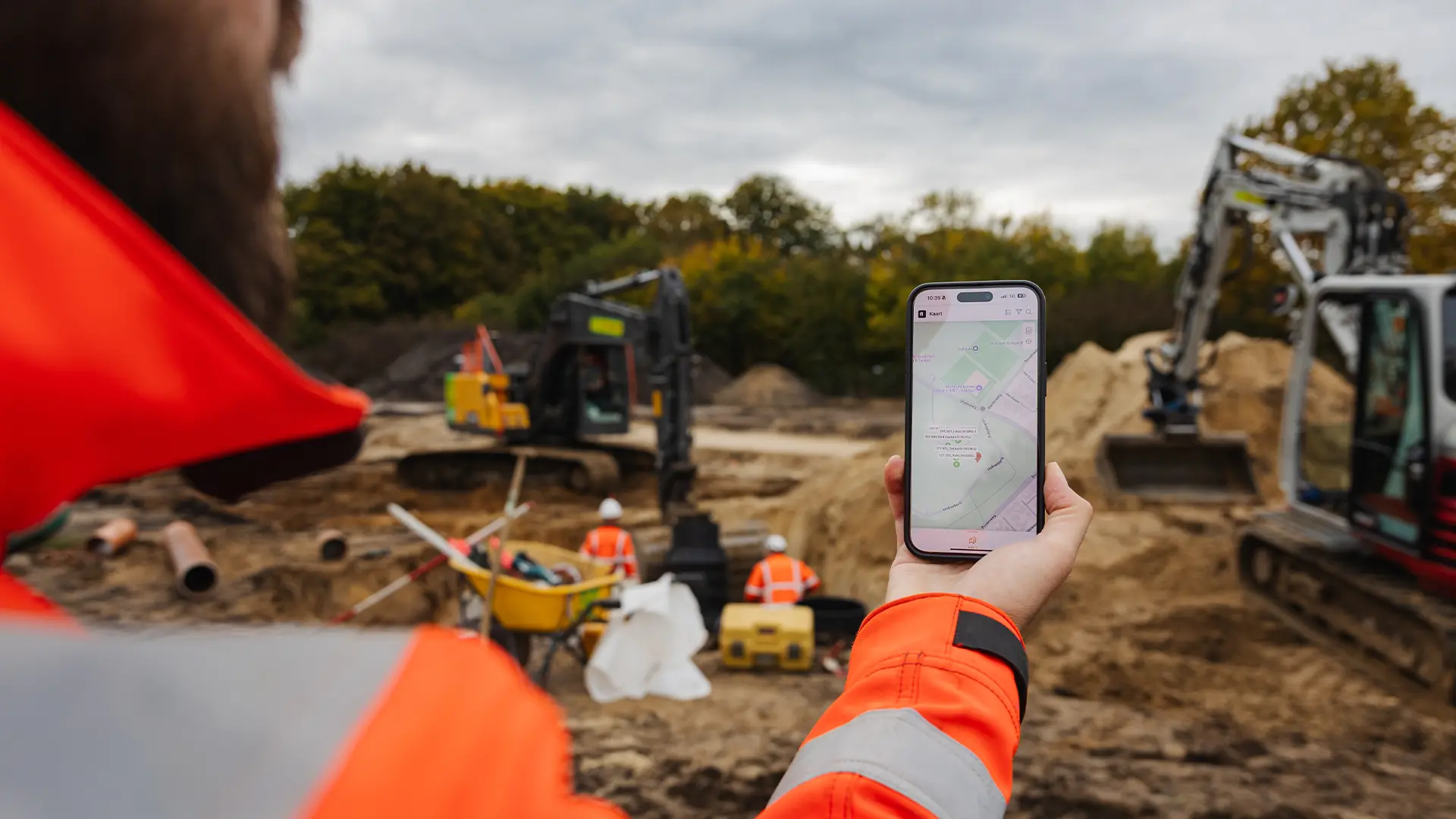
Our R&D team develops our own hardware, software and firmware in Tradate. We test on real construction sites and roads, in close collaboration with our customers. What we build comes from combining our vision on Asset Intelligence with the questions that come up in practice.
Tab titel

Modular and remotely managed
The system is modular and fully manageable remotely, with automatic updates via FOTA. That saves on-site maintenance.

Our hardware

RFID Asset Tags
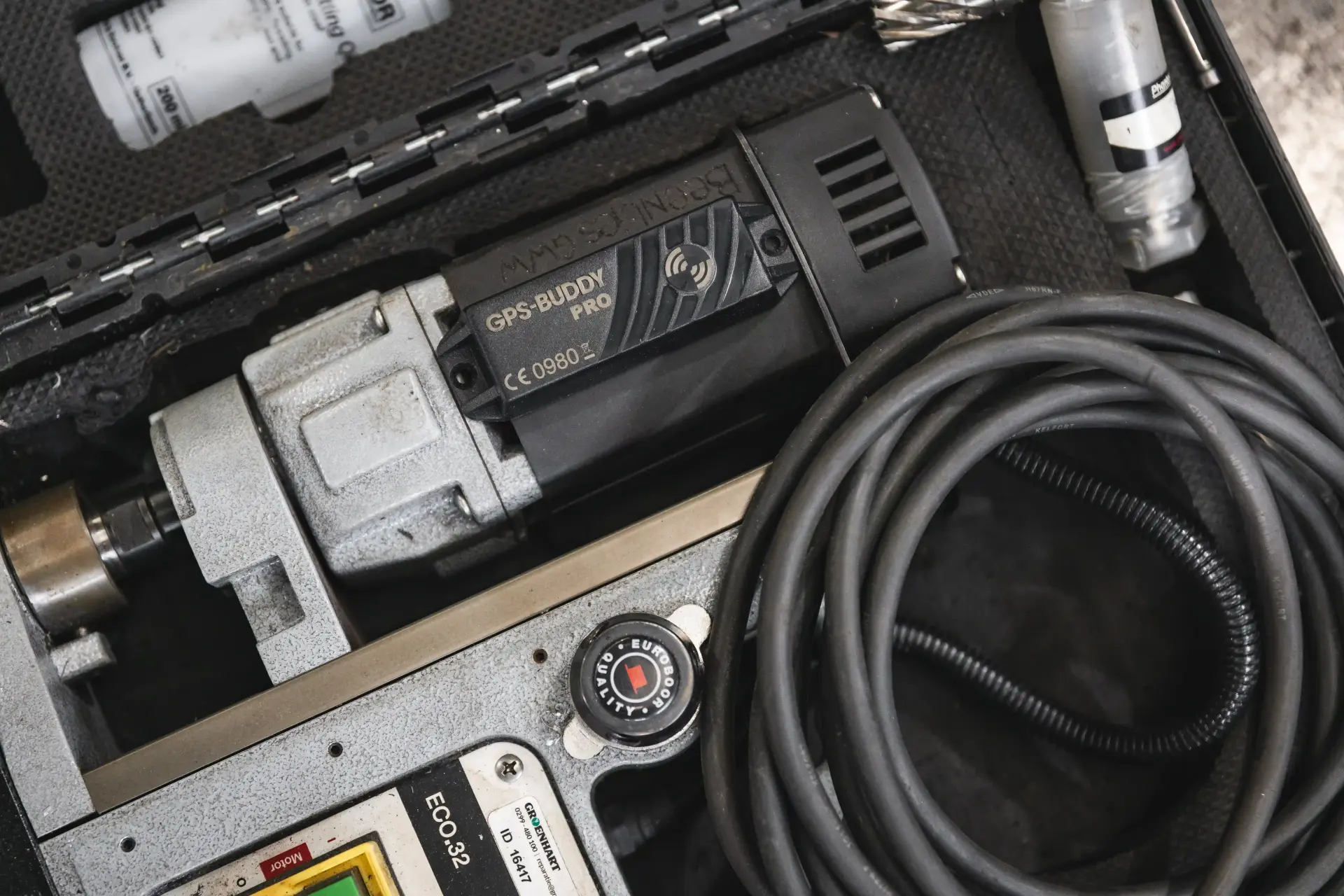
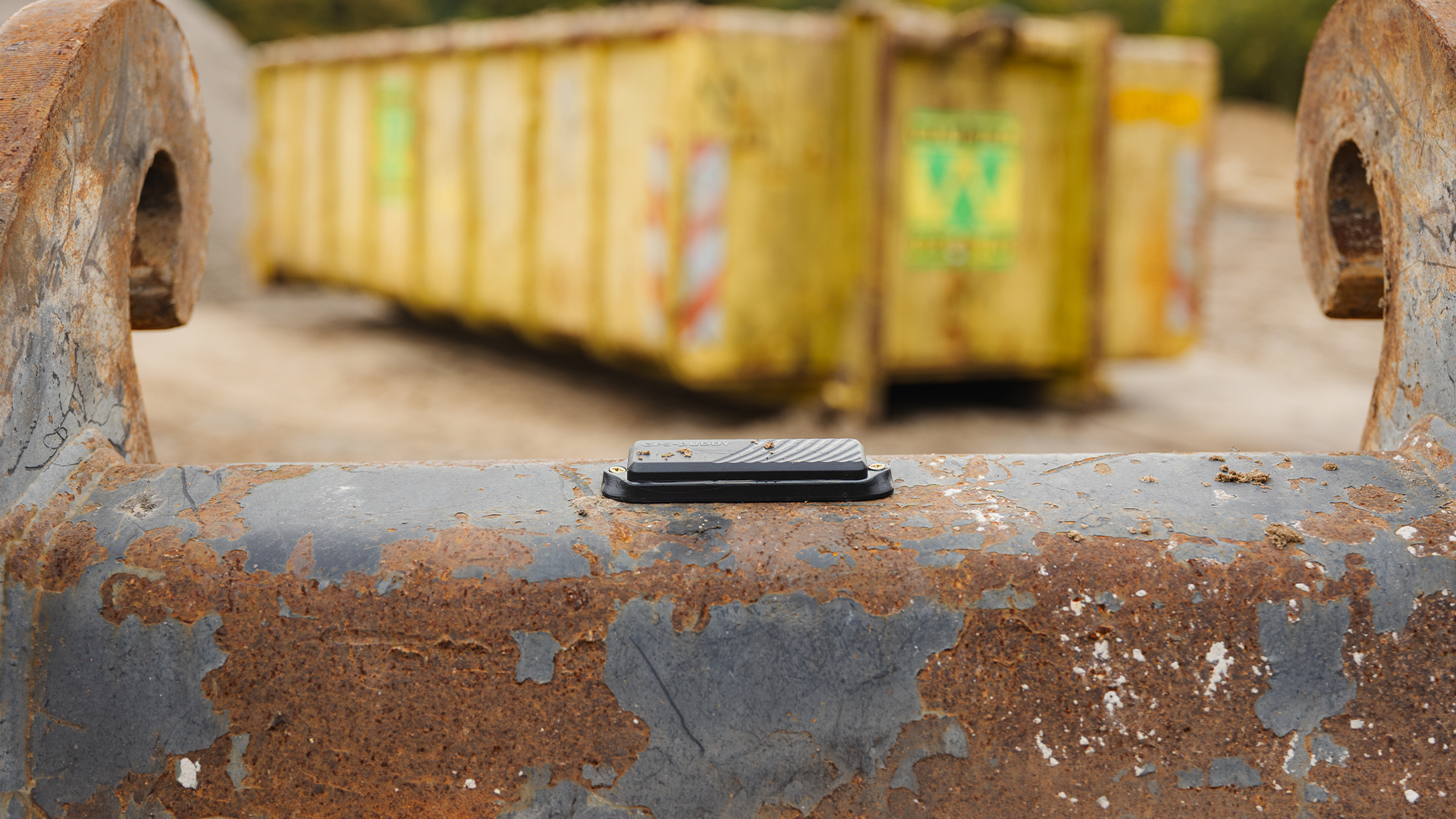
This advanced asset tracker transforms asset tracking by making equipment without its own power supply visible. Attach it to machines, tools or trailers. Eight years, no cables, no SIM card, no maintenance.

XT-4
The XT-4 does double duty. Built into your vehicle or machine, it delivers location and vehicle data straight from the CAN bus. At the same time, it acts as a gateway for RFID tags, bringing even unpowered equipment into view.
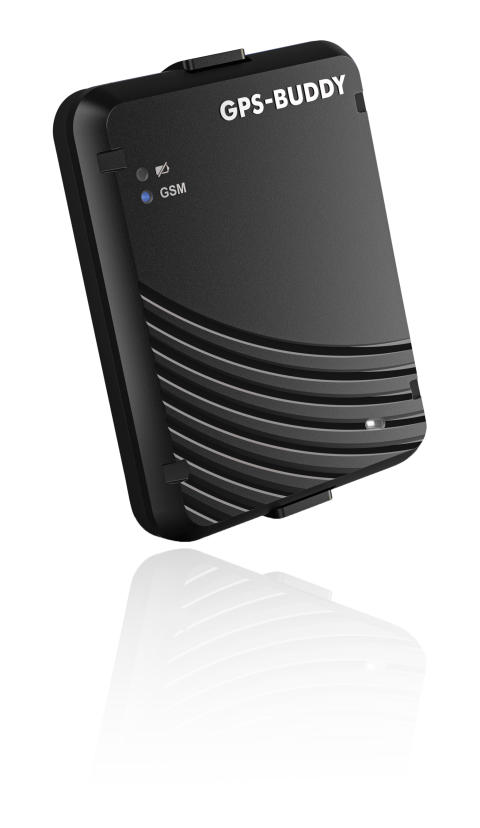
AT-4
The gateway network covers the vast majority of your operation. For what falls outside it, there's the AT-4. This GPS tracker needs no gateway to show you where your equipment is. For remote locations, temporary deployments, and equipment you simply don't want to lose track of.
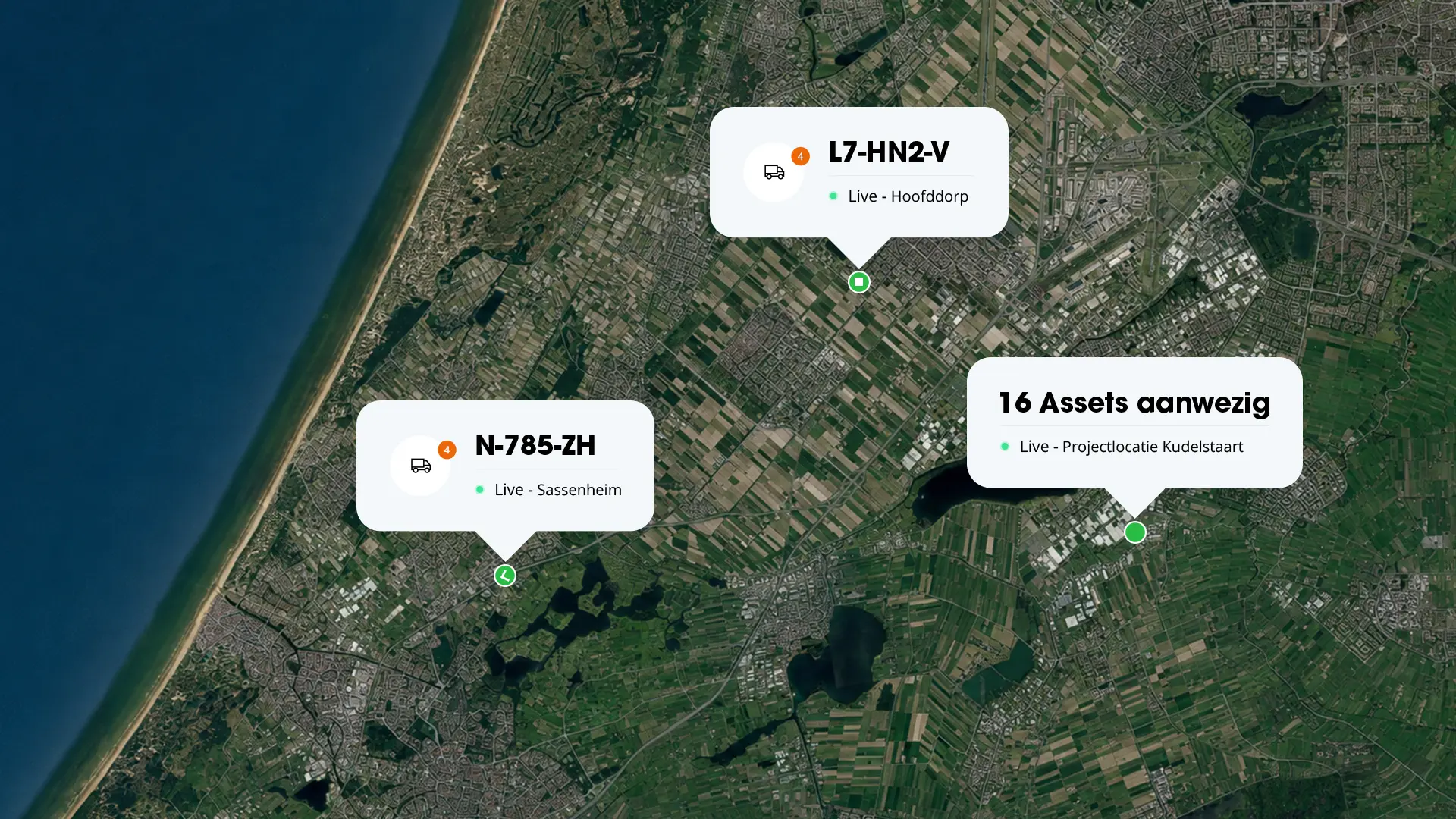
Everything works together as one
All our hardware works as one connected network. Assets with a power supply are fitted with an XT4. It acts as a gateway and reads out vehicle data, such as location, engine hours and fuel consumption.
Assets without a power supply, such as tools, get an RFID tag. This kind of tag has no SIM card, so it can't send data on its own. Instead, it sends its signal to the nearest XT4: your own gateway, or one of the tens of thousands of other XT4s driving through the Netherlands every day. That gateway picks up the signal and passes it on.
Is an asset out of a gateway's range, for example at a remote location, or temporarily somewhere with no other equipment nearby? Then you use the AT4. It does have a SIM card and sends its data straight through, with no stop at a gateway along the way.
That way, all data, from every piece of hardware, comes together in Flowter: one view of your entire operation.
Learn more about GPS-Buddy's hardware
Frequently asked questions and answers. Is your question not listed? Feel free to contact us.
What's the difference between a GPS tracker and an RFID tag?
A GPS tracker, like the AT-4, has its own GPS and 4G and works independently, anywhere. An RFID tag sends out a signal that's picked up by a gateway, such as the XT-4 or one of the other GPS-Buddy units driving through the Netherlands every day. That's what makes an RFID tag smaller, with a much longer battery life.
Do I need the same hardware for every type of equipment?
No. For vehicles and machines with their own power supply, you build in the XT-4. Tools and equipment without power get tagged with an RFID Asset Tag. If something sits at a remote location for weeks with no gateway nearby, the AT-4 is the solution.
Does the hardware still work without one of your own GPS-Buddy gateways nearby?
For RFID tags: the more gateways nearby, the better the coverage. Besides your own XT-4s, you also make use of the nationwide network of GPS-Buddy gateways. If equipment is structurally out of range, the AT-4, with its own GPS and 4G, always provides coverage.