

Control over the logistics behind an offshore wind farm
From quay to installation vessel
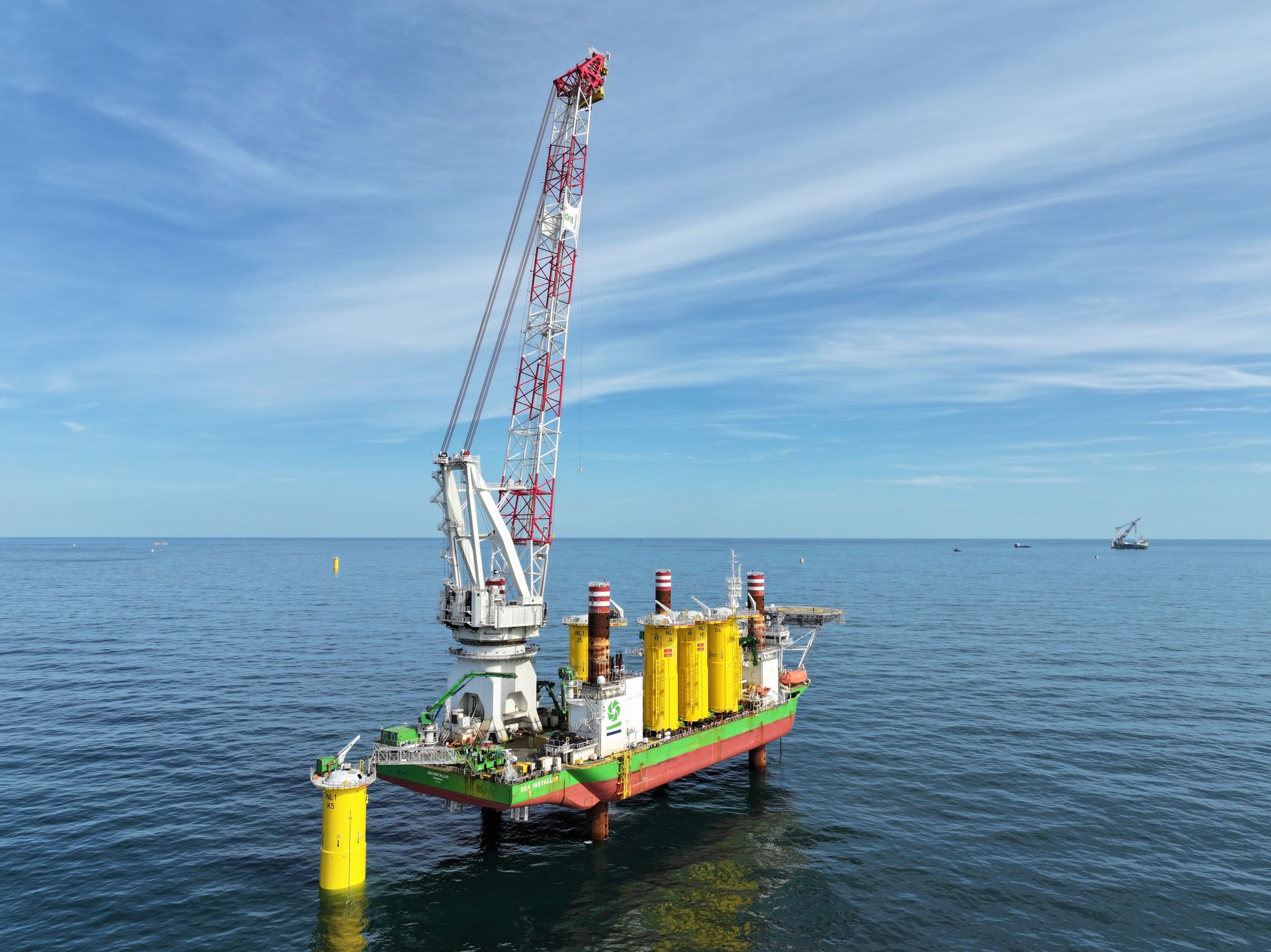
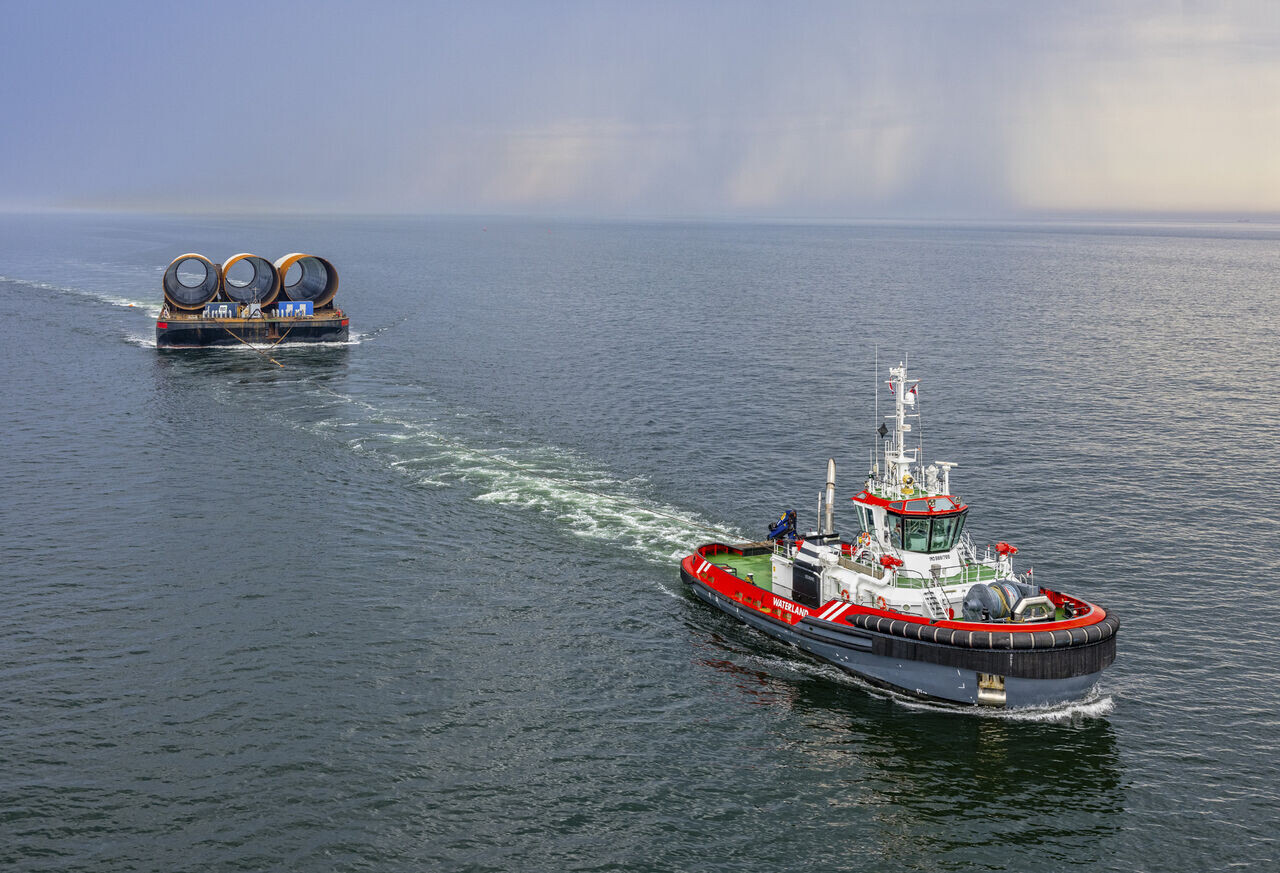
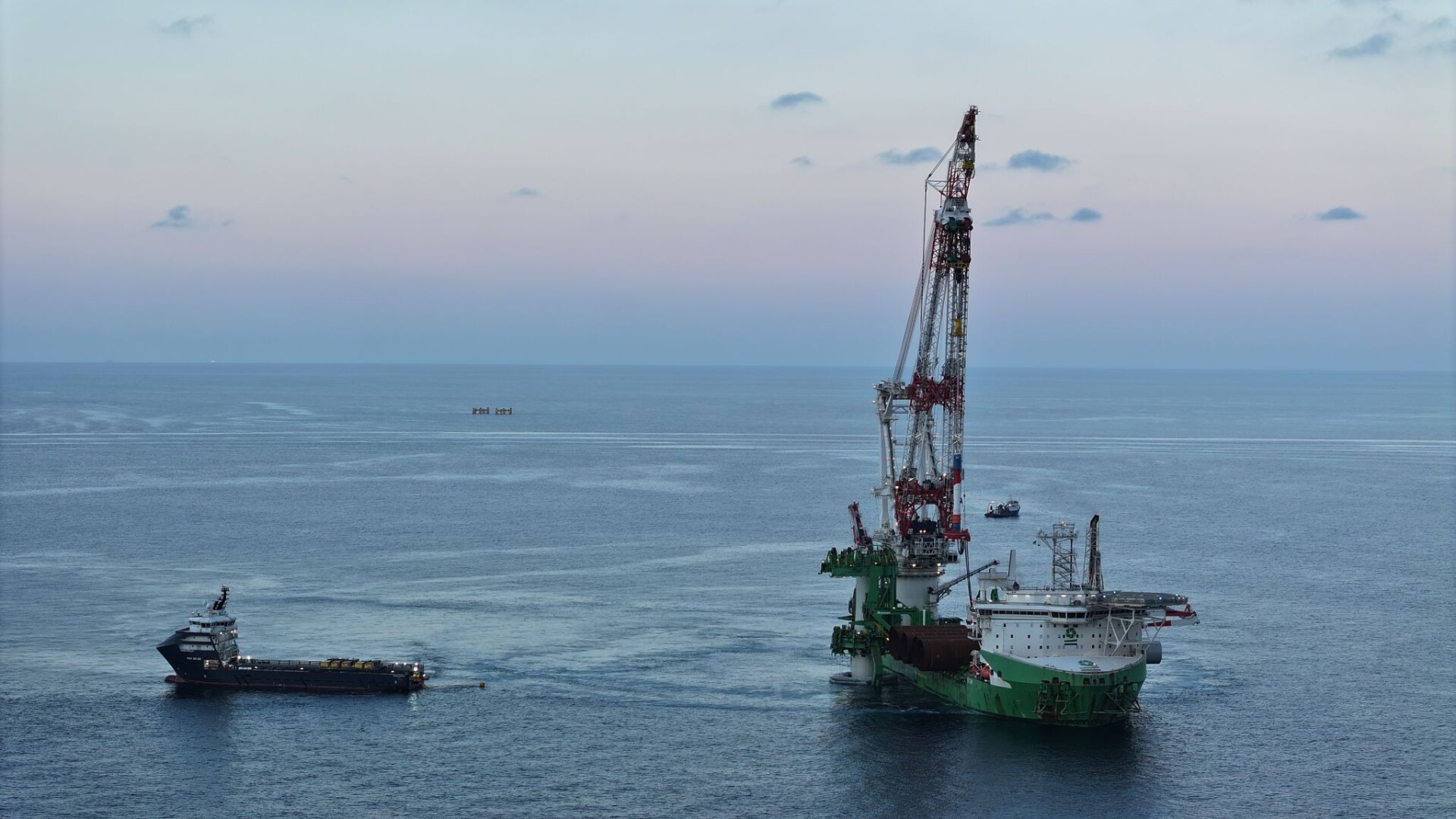
The Belgian company DEME specializes in maritime construction projects: dredging, offshore installation and marine engineering. DEME is currently building the Nordlicht offshore wind farm in the German North Sea. Seven barges and five tugs are underway to transport the foundations. The tugs tow the barges between the steel manufacturers, the Kiel Canal, Rostock and Eemshaven. With GPS-Buddy, DEME keeps control of all those moving assets, from the quay at the manufacturer to the installation vessel at sea.
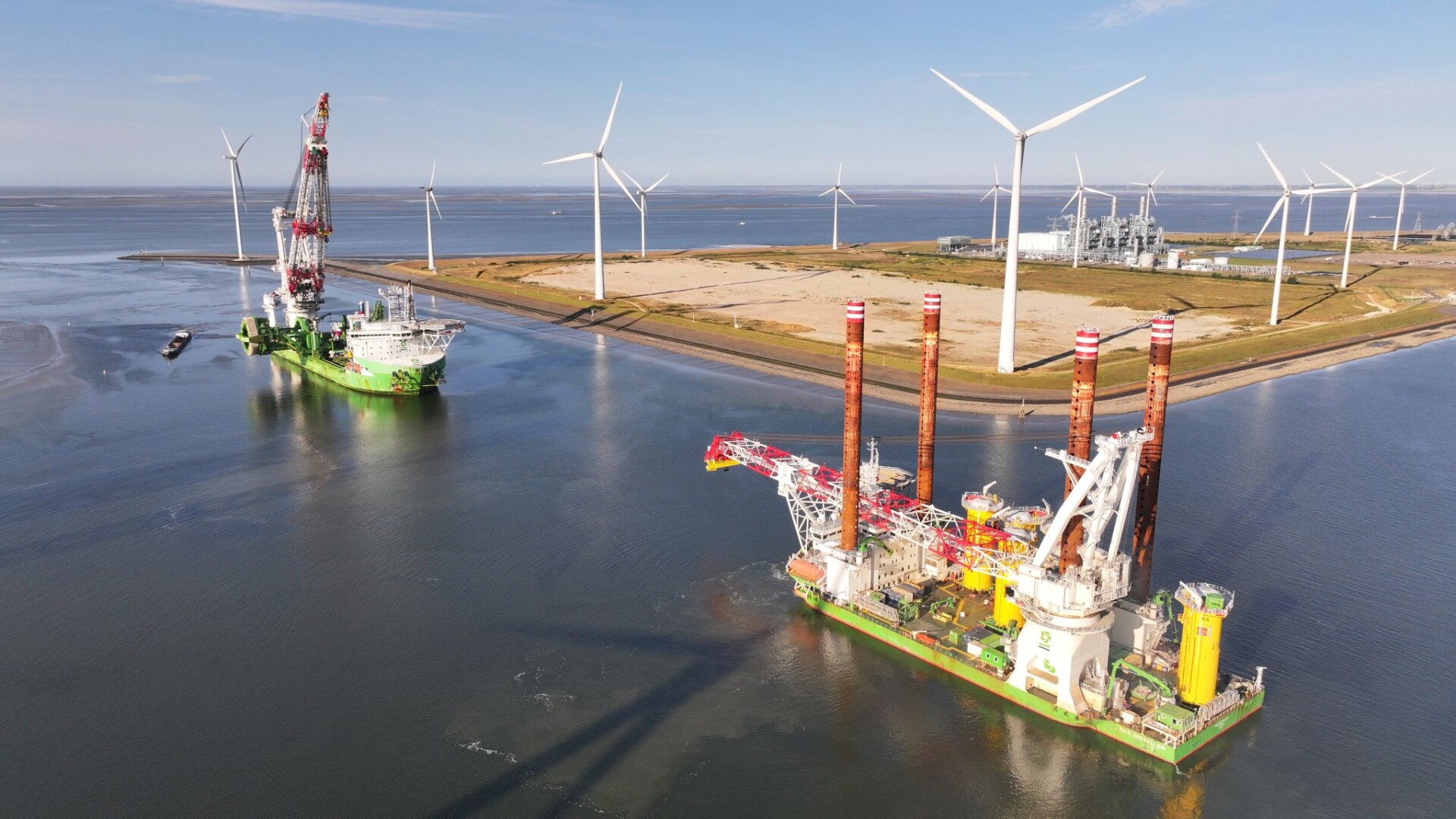
The project team uses Flowter, the GPS-Buddy platform, for four tasks: tracking barges and tugs in real time, checking port invoices afterwards against the recorded movements, reporting daily to the client, and keeping DEME's own management informed of what is en route. Eighteen people from logistics and project controls look at the same picture.
Everything hinges on the moment of lifting
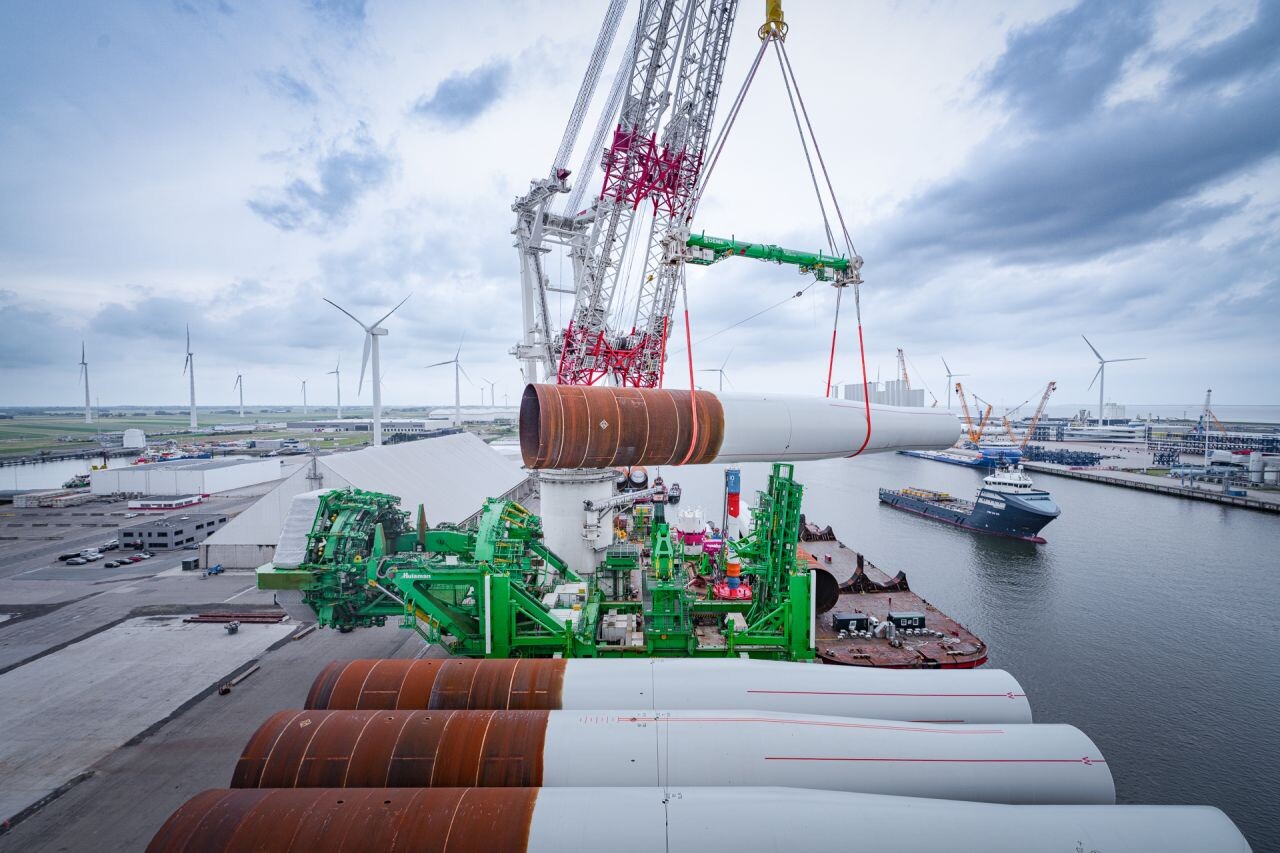
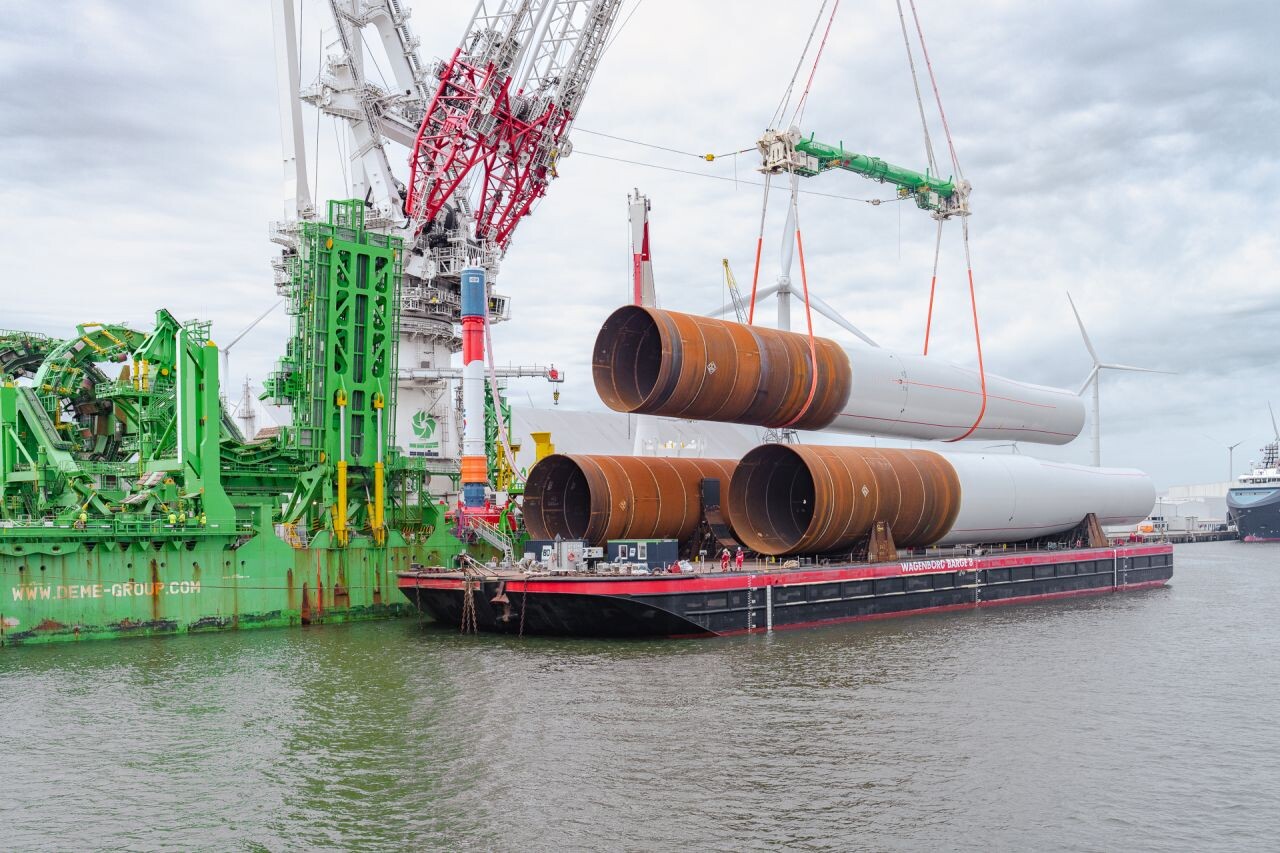
On Nordlicht, DEME is the T&I contractor: responsible for the transport and installation of the foundations. That foundation is a monopile, a steel pole tens of metres long and hundreds of tonnes heavy, on which the wind turbine will eventually stand. DEME transports those monopiles from the steel manufacturer to the installation vessel at sea. Timing is essential throughout that journey.
From the moment a monopile is lifted onto a barge at the steel manufacturer, it belongs to DEME. The manufacturer must deliver the foundation components within the agreed time. "The barges form the interface between us and the other contractors, the steel manufacturers," says Lucas Vissers, who was involved in the Nordlicht tender. "Because those barges sit right at that interface, tracking them helps protect our contractual position."
After that, DEME must deliver the foundation to the installation vessel on time. The foundations are delivered just in time to the installation vessels, without any intermediate stop. "That way we try to keep our vessels working as much as possible, and avoid them having to wait for a long time," says Lucas.
Barges have no power on board
Tugs can be tracked via AIS. That is standard in the maritime sector. Barges cannot. In Lucas's words, they are steel shoeboxes with no system of their own to transmit their location. There is no engine, no battery and no socket to plug anything into. Yet every barge can be tracked, and the solution fits exactly how DEME works, in three ways.
First of all, it also works without power on board. Every barge carries an RFID tag that runs for years on its own battery. The tag sends its signal to an XT-4 gateway that plugs into a socket in the tug captain's cabin. That gateway forwards everything to Flowter. That way, an asset with no power supply becomes visible through the vessel towing it.
Second, nothing needs to be permanently installed. The tugs are chartered. They are not DEME's property, and the fleet may look different after this project. A fixed installation was therefore not an obvious choice. The gateway simply comes out of the socket and moves along to the next vessel.
Finally, the solution fits how barges and tugs are actually deployed. Any tug can tow any barge, and there are more barges than tugs. The combinations therefore change constantly.
Henri Casteleyn, responsible for logistics on the project: "Tug A sails with barge 1, then tug B sails with barge 1. You didn't always know very well which barge was being towed. With a tracker on that barge, you can see exactly which tug is sailing with which barge. We have seven barges and five tugs sailing around, plus two installation vessels. That's simply a lot to keep track of, especially with a team that rotates."
One platform, four functions
1. Tracking overnight developments live
For the monopiles, the route to Eemshaven runs via the Kiel Canal, between the German Baltic Sea and the German North Sea. There are locks at both ends. There is a lot of waiting and manoeuvring, and a convoy that runs late overnight pushes back the whole day's schedule. Meanwhile, the vessels keep sailing while the project team sleeps.
"When you start up your PC in the morning, you immediately see where all the barges and all the tugs are," says Lucas. "Is it still as it was when we went to sleep and according to plan, or has something changed in the meantime? Flowter is really useful for that."
It also works for the moments when a barge stays put somewhere. At certain points in the chain, DEME leaves a barge behind in a port, with no tug nearby. It remains visible in Flowter, including the time it arrived there. "We simply want to keep control of our assets," says Lucas. "And on Nordlicht we have quite a few assets out on the water."
2. Checking port invoices against the history
The second application was not on the list beforehand. Ports invoice with a delay. A berth, or a shift from one quay to another, sometimes only appears on the invoice two weeks later, sometimes only after two months. Then someone has to check whether it is correct.
Henri: "I'm now getting invoices in from the end of June. The port will say: you arrived on the 15th of June and left on the 18th. Then I go and check in Flowter whether that's right. I have too many movements to keep track of all day, who lay where. That's simply not possible, I have other things to do. For that kind of check, I still use it a lot."
Because the history is kept, the team can also check months later exactly where the barges and tugs were sailing. "Within a few months you still know exactly where the tugs and barges were sailing in July," says Lucas.
3. Reporting daily to the client
Every day, DEME reports to the client which movements the barges made between the various ports and how long the loadouts at the manufacturers took. The data from Flowter is the basis for that.
That saves back-and-forth. Questions about a transport less often end up with a colleague or an external party, because the answer is already on the screen. The figures that go into the reporting come from the same source as the picture the team itself steers by.
4. Keeping DEME's own management informed
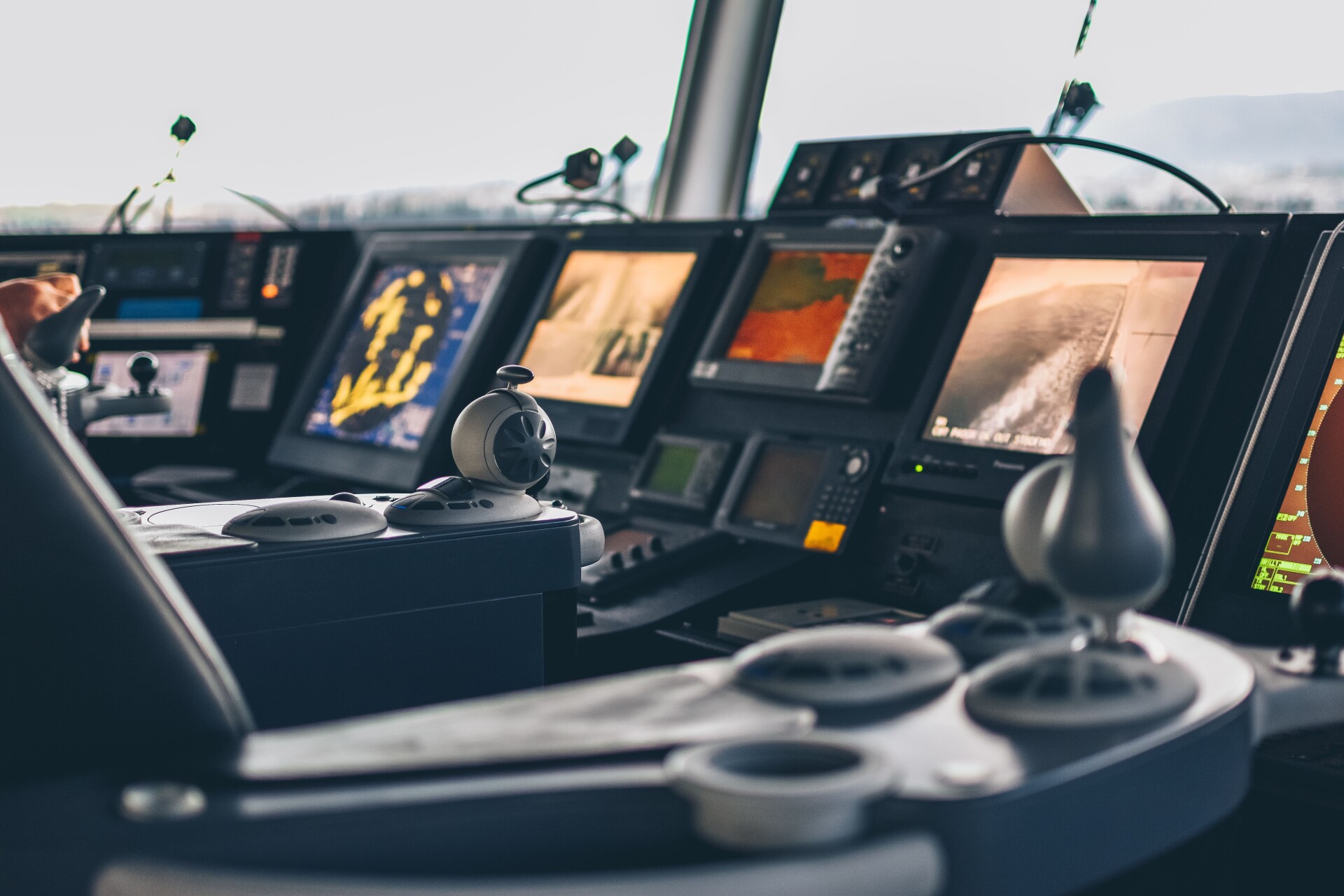
Within DEME, the same question comes up. "Our management is naturally interested in where those barges are," says Lucas. "Right now our installation vessel, the Orion, is waiting for monopiles. We know that barge is on its way to Eemshaven, and we want to be able to report when we expect it to arrive."
Logistics and project controls look at the same screen with different questions in mind. Logistics follows the execution of the transport, project controls follows progress and the justification towards the client.
What it delivers
After three months in operation, the project team sees the following results:
- One central source for the location of barges, tugs and logistics assets, with eighteen people looking at the same information.
- Visibility of assets with no power supply of their own, via tags and the gateways on the chartered tugs.
- Less time spent collecting and verifying location data by email, phone or external parties.
- Deviations, standstills and unexpected movements become visible faster to logistics and project controls.
- Port invoices that arrive months later can be checked against the recorded history.
- Daily reporting to the client on movements and loadout duration, based on recorded data.
Ready for Nordlicht 2
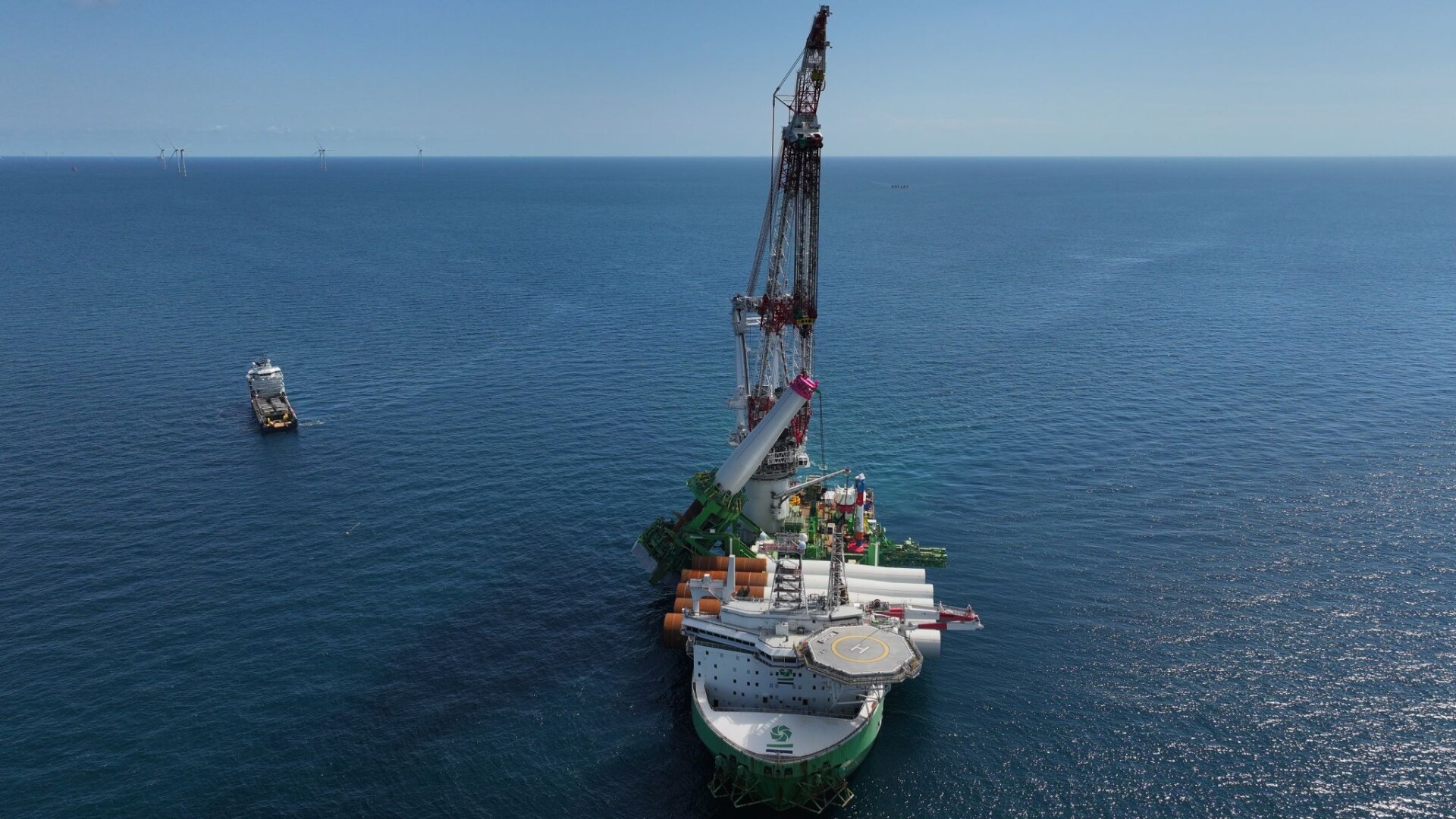
DEME manages maritime and offshore projects from engineering and logistics through to execution, with its own fleet and a strong focus on data-driven working. Next year, installation of Nordlicht 2 begins. Whether the same tugs will be chartered is not yet known. For the setup with separate gateways and tags, that makes little difference. Lucas: "The Flowter platform gave us what we were looking for. In a very interesting way, in our case.