

60 motorbikes tracked live during the 45th Challenge Almere-Amsterdam
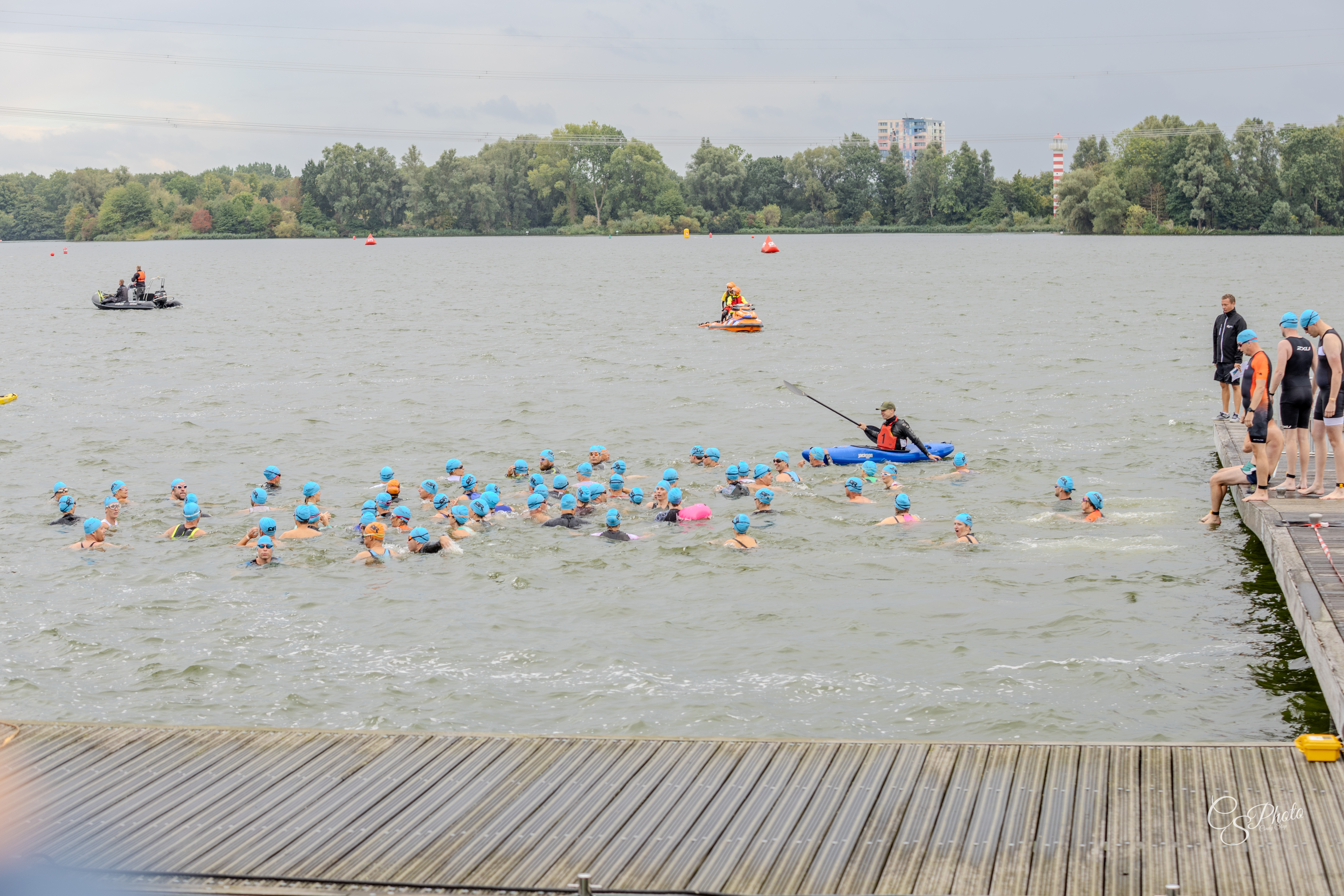
From September 10 to 13, Challenge Almere-Amsterdam holds its 45th edition, this year combined with the European Long Distance Championship. The oldest Long Distance triathlon in Europe, and the second-oldest in the world. Around 4,000 athletes at the start, with more than 800 volunteers around them. GPS-Buddy is once again on board as a major sponsor, and we're proud to have this spot — after all, we're based in Almere ourselves.
We supply the 60 trackers that give the support motorbikes live location. This lets the organization see at any moment where every motorbike is.
From alert to motorbike on-site
Each motorbike has its own task. Some carry a jury member on the back who watches the rules. Lead riders ride ahead of the front group and relay positions to the organization. Other motorbikes carry photographers and camera crews, keep an eye on the course and report anything wrong, or bring equipment and people to spots no car can reach. Medical staff also go out on the course by motorbike.
They're all moving at the same time, spread across the 180-kilometer cycling course. If something goes wrong with an athlete along the way, the motorbike closest to that spot is almost always first on the scene. So the question is which motorbike that is at that moment.
That's where our trackers come in. All 60 motorbikes show live on the map at race control in the HQ. When a report comes in about an athlete sitting by the roadside, the sequence is short. You hear where the report is coming from. You see which motorbike is closest. That motorbike gets the assignment and is on its way before you'd have finished the first exchange over the radio. Meanwhile you also see which stretch of the course is briefly left without a motorbike, so you send a second one that way.
The same picture helps with the medical response behind it. Whoever is on-site reports what they find, and the medical post already knows exactly where that is, instead of having to search for it.
Why this tracker
The trackers are our own AT-4s, developed in-house. They have their own precise GPS and lightning-fast connectivity. For an event, that's what makes it work. On race day, 60 motorbikes head onto the course and all of them need to be on the map before the starting gun goes off.
Why this partnership makes sense
For us, this is also an interesting case. 60 assets moving simultaneously across a 180-kilometer course, where it matters whether you know within a minute where they are.
The rest of the year we do this for companies in construction and infrastructure. Knowing where your machines, vehicles and people are, and being able to act on that in time. Work that runs more safely because the site manager sees who's where. Planning that holds up because the equipment can be located.
On race day it's roughly the same work. Only now it involves 60 motorbikes and 4,000 athletes who assume someone will come if something goes wrong. We make sure the organization sees where everyone is riding, so the event runs more safely and smoothly.
Live location is where we come from. Being able to use that technology for the biggest sports event in our own city makes it extra special to be here.