

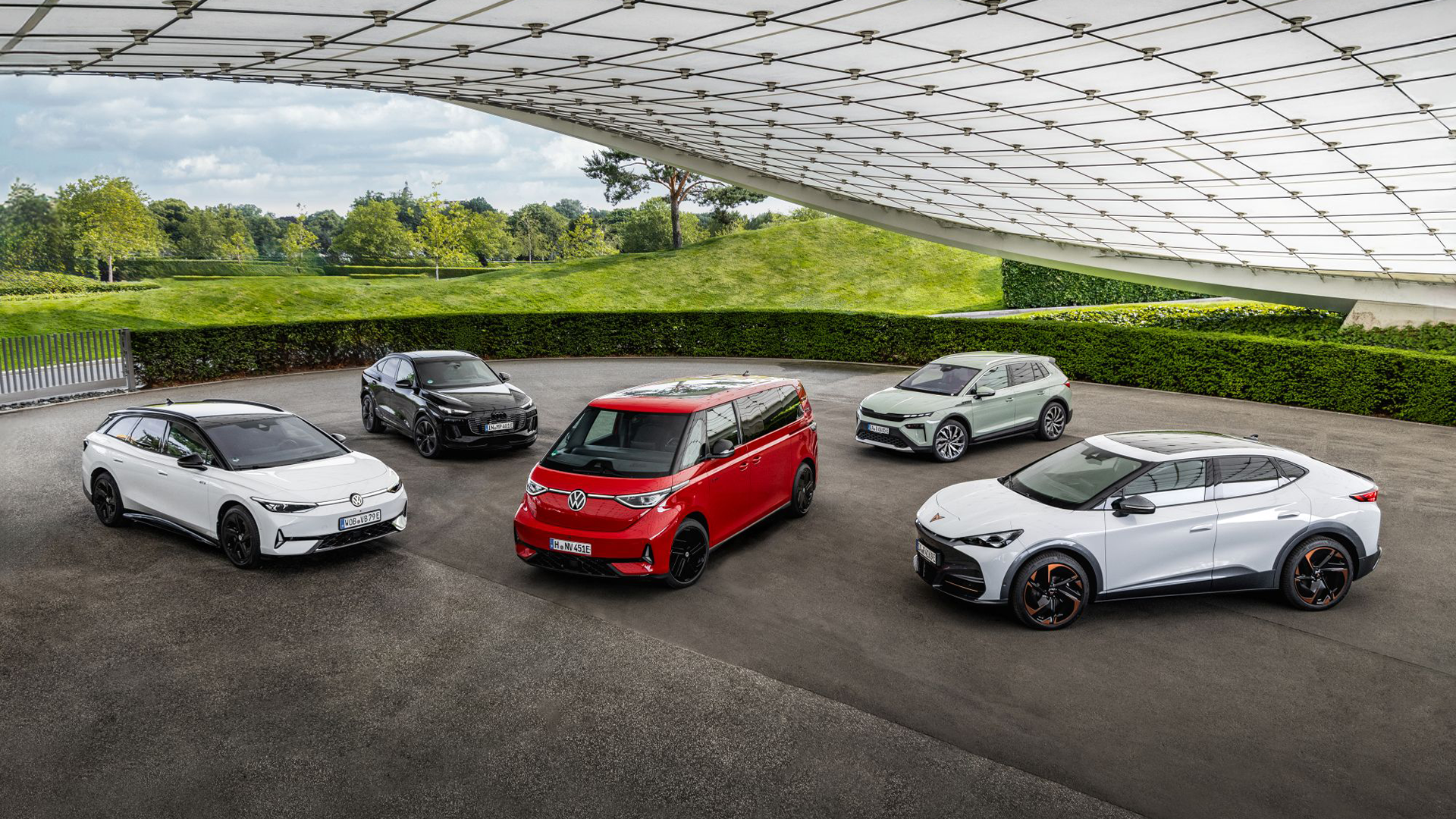
Electric vehicles in the fleet
The number of electric vans and trucks on Dutch roads is growing rapidly. Choosing an electric vehicle comes with both advantages and disadvantages. This article outlines the most important ones.
The figures
The Dashboard Elektrisch Vervoer from RVO shows how fast this is going. For light commercial vehicles, such as delivery vans, there were 59,818 fully electric vehicles on 31 May 2026, compared to 4,893 on 30 June 2020. For heavy commercial vehicles, such as trucks and tractors, the baseline is lower, but the growth is equally clear: from 107 vehicles on 30 June 2020 to 2,707 on 31 May 2026. These figures relate to battery-electric vans and trucks. Passenger cars are not included, nor are passenger cars used for business purposes (source: Dashboard Elektrisch Vervoer, RVO. Reference date 31 May 2026).
The advantages
The first advantage lies in the costs over the lifetime. While an electric vehicle is often still more expensive to purchase, costs decrease over the period of use. It has fewer moving parts, which means less maintenance. And with current fluctuating fuel costs, driving on electricity is often cheaper than on diesel. This shifts the advantage from the purchase to the entire period of use.
There is also the matter of access. More and more municipalities have a zero-emission zone, and the rules are becoming stricter step by step. New vans and trucks registered from 1 January 2025 onwards must be emission-free to enter those zones. For older vehicles, transitional arrangements apply that differ by emission class and date, and which will expire in the coming years. An emission-free vehicle retains access regardless, while a diesel vehicle will eventually lose it. The current access rules can be found at opwegnaarzes.nl.
Finally, an electric vehicle produces no local emissions. This helps meet sustainability requirements in tenders and supports the substantiation of a CO2 report.
The disadvantages
The higher purchase price was long offset by subsidies, but these are no longer available. The SEBA, the purchase subsidy for electric commercial vehicles, was definitively closed on 31 December 2024 and the budget has been fully used. For trucks, there is still a scheme available: the Aanschafsubsidie Zero-Emissie Trucks (AanZET).
Road tax differs by vehicle type, and that distinction is important. For emission-free passenger cars, a phasing-out discount on road tax still applies in the coming years. For electric vans, that discount has already expired, meaning the full rate applies. With a mixed fleet, the scheme therefore works out differently per vehicle. More information is available at ondernemersplein.
More relevant in daily practice is operational availability. The range is not a fixed figure. Load, weather and driving style all determine how far a vehicle travels, and this varies from day to day. In practice, electric vehicles are therefore more often used for shorter trips.
Charging also takes more time than refuelling. A vehicle needs to be scheduled around charging moments, which requires coordination with the working day. On top of that, there is the charging infrastructure. On many business premises, grid capacity is limited. For a significant part of the logistics fleet, insufficient grid capacity is available, and for trucks this bottleneck is even more pronounced. Applying for a charging point can take a long time.
The difference lies in insight
Working with electric vehicles requires up-to-date insight. The range depends on the circumstances, and charging needs to fit around the schedule. Those who can monitor this per vehicle plan more effectively.
With OEM integration in Flowter, vehicle data is retrieved directly from the manufacturer, for the entire fleet including electric vehicles. It shows what a vehicle is, what it does and what it needs: from location, trips and mileage to maintenance and fault codes. For electric vehicles, relevant EV data is added. A first layer of data is immediately available, without GPS-Buddy hardware needing to be installed. This keeps the fleet overview complete, even with new vehicles.
The integration is available for six Volkswagen Group brands: Volkswagen Passenger Cars, Volkswagen Commercial Vehicles, Audi, Skoda, SEAT and CUPRA. Want to know more about the OEM integration?
The information in this article is based on the situation in the Netherlands as of July 2026. No rights can be derived from the content. Legislation, regulations and market conditions are subject to change.